

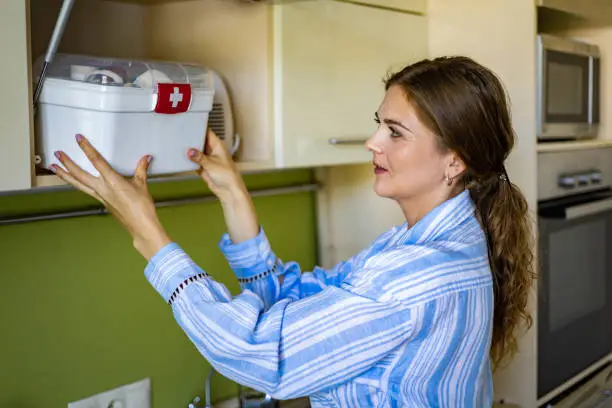
Emergencies are unpredictable—but your response doesn’t have to be. Whether you’re preparing for natural disasters, power outages, or unexpected health crises, having your emergency supplies neatly stored and ready can make all the difference.
While many households scatter their supplies in basements, kitchen cupboards, or hallway closets, these solutions can be disorganized and hard to access in a crisis. That’s where a custom closet system tailored for emergency preparedness steps in. Purpose-built storage keeps essential items secure, accessible, and protected—exactly when you need them most.
Custom Closet Systems That Organize Emergency Essentials Efficiently
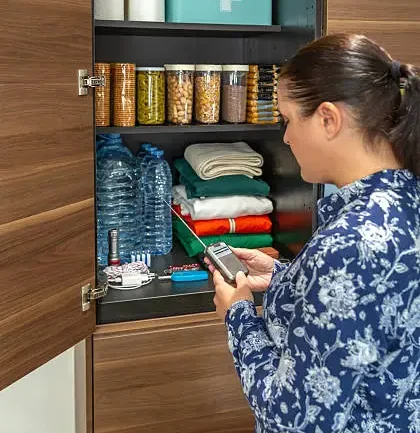
Emergency supplies are numerous and various flashlights, first aid kits, canned food, water jugs, radios and others. The layout of the standard closets is seldom conducive to these items and cannot be durable to support them. Custom closets however enable you to create a specific arrangement around emergency equipment and its special needs.
Dedicated Shelving for First Aid Kits, Flashlights, and Water
When it comes to emergency, every second matters. Custom shelving allows you to place the most important items, such as first aid kits, flashlights, batteries and water at eye level so they are immediately accessible. The adjustable shelves will make sure that the jugs of water or larger containers do not have to be crammed. You can even add slide-out trays or labeled pull-outs such that your supplies are visible and easily accessible. Your family can act with confidence when faced with emergencies and have the right layout.
Built-In Cabinets to Store Food, Batteries, and Backup Power Devices
Items that are essential in the long-term such as canned food, shelf-stable snacks, and dehydrated meals need special, steady-state storage. There are built-in cabinets with locked doors, so nothing can fall out of them when vibrating or when the power goes out.
Bulk batteries, backup chargers, or portable power stations can be stored in deep drawers, where they will always be in a safe place, rather than being distributed throughout the house. Even things such as charging docks and heat-safe compartments can be built into custom closets in homes with solar or battery-powered emergency equipment.
Closet Cabinet Systems for Natural Disaster and Power Outage Readiness

A truly effective preparedness closet isn’t just organized—it’s optimized for the most critical scenarios. Whether you’re preparing for typhoons, wildfires, earthquakes, or blackouts, every feature of your closet should support quick thinking and long-term reliability.
Storage Designs That Allow for Quick Access in High-Stress Situations
In emergencies, you should act quickly. Closets with smart designs like color-coded bins and drawers with labels and moveable lights allow you to find whatever you need quickly. Doors on cabinets: those that have soft-open or no-handle designs will not make one fumble in the dark. Other home owners even resort to go-bag zones, special areas in the closet where the backpacks are filled with evacuation needs. It is aimed at decreasing panic and improving the speed in stressful situations.
Moisture-Resistant and Temperature-Stable Materials for Sensitive Supplies
Not every material can be equal in terms of storing emergency gear. Batteries will be ruined by moisture, packages will be distorted, and medical supplies may develop mold. Custom closet systems are made of materials such as thermally fused laminates, sealed MDF or powder-coated metal to ensure contents do not sustain environmental damage.
In case your area is subject to humidity, flooding, or heatwaves, you should be particularly keen on selecting finishes that are not likely to swell, rust, or warp as time goes by. In a case where a family has a basement or a garage to store items, a custom moisture-proof closet would be a relief that your items are usable all year. Get an instant quote now!
Closet Organizer Companies Near Me Offering Preparedness Closet Design

When it comes to building a closet system for emergency preparedness, expertise matters. Not every closet company is familiar with the layout, durability, and safety considerations needed for emergency supply storage. Finding a local provider with relevant experience ensures your space works in both calm and crisis.
Choosing a Local Expert to Build a Secure and Organized Supply Zone
Start by researching closet companies that offer custom designs for utility or lifestyle-based storage. Ask if they’ve worked on preparedness closets, garage storage for tools, or medical supply cabinets. Local companies like Closet & Beyond understand the climate and emergency risks in your area—and can suggest relevant materials and layouts. A good designer will take into account your family’s specific needs, from medical conditions to number of household members, ensuring your system is as personal as it is practical.
Design Questions to Ask About Safety, Access, and Layout
Before committing to a design, ask targeted questions to make sure your closet system meets emergency standards. For example:
Can shelves support the weight of water gallons or canned food?
Are there locks for securing medications or sensitive items?
What materials are used for moisture and heat resistance?
Is there enough room to store go-bags or portable generators?
Also, ask about lighting and power. Built-in LED lights, motion sensors, or backup battery lighting systems can make a huge difference during a blackout. Your closet isn’t just for storage—it’s part of your emergency plan.
As we serve Washington D.C., Maryland, Virginia and West Virginia, you can find our showrooms in the following locations:
Tips for Designing Closets That Support Emergency Preparedness Plans
A good preparedness closet is not only about storing items in bins. It is a matter of intelligent planning, design and future maintenance. The better your system is organized, the more useful it would be in times of disaster.
Categorizing Supplies for Health, Safety, Food, and Utilities
The first step is to organize your emergency equipment into four broad categories: Health, Safety, Food/Water, and Utilities. Health consists of first aid kits, drugs, masks, and hygiene products. Safety includes things such as flashlights, whistles, gloves and fire extinguishers. Food and water contain shelf-stable foods, protein bars, bottled water, and purification tablets. The utilities may include batteries and backup radios, solar panels, or small tools. Through categorization, you establish a mental map of your closet that you and your family would be able to recall at times when pressure is high.
Using Labeled Containers and Bins for Quick Visual Identification
The most important thing in a custom preparedness closet is labeling. Put them in transparent containers with waterproof labels so you can at a glance know what is in it. Bins are color-coded: red bins are medical, blue water, green food, etc., it is easy and visual to identify what is in the bin. It may help to have laminated checklists in the doors of cabinets to remember about expiration dates and keep inventory current. Such easy measures may save precious time when every minute is important.
Frequently Asked Questions (FAQs)
1. Can I build an emergency supply closet system at home?
Yes, of course, you are able to construct a personal emergency supply closet in your home. The system designed by a professional closet designer will allow you to create a system that will suit the emergency needs of your household. Everything can be optimized, whether it is shelving of bulky items or secure cabinets of sensitive supplies. It is one of the brightest ideas to make your home ready at all times.
2. What are the must-have items to store in a preparedness closet?
The most important ones are first aid kits, non-perishable food, bottled water, flashlights, extra batteries, portable radio, face masks, and hygiene items. You must also keep important documents, backup power and medication. Customize the list depending on the risks that are local such as floods, storms or earthquakes. Maintain an inventory record and have it updated.
3. Are there closet companies near me offering custom emergency storage?
Yes, there are a lot of closet companies that provide custom storage in case of an emergency. Seek business with firms specializing in utility or specialty closet design. The local professionals such as Closet & Beyond can evaluate your needs and environment and advise the most suitable materials and layouts. Pay attention to request an example of similar projects they have done.
4. What size should an emergency closet be?
Depending on the area you have and the size of your household, it should be of a certain size. A reach-in closet can be small enough to store necessities of a couple, whereas walk-in or hallway closet can be more suitable to the family. Space utilization is the key point, and shelving, bins, and cabinetry can make the best of even a small area. The place should be accessible, climate-stable, and easy to organize.
5. How do I keep emergency items organized long-term?
Install a structure that has identifiable containers and shelf areas of various supplies. Have waterproof bins, make sure to check the expiration dates and have a printed inventory. Plan to have seasonal reviews to refill used products or rotate perishable products. It is simpler to organize in the long term when all the things have a precise location.
Emergencies can’t always be predicted—but how you prepare for them is entirely in your control. With a well-designed custom closet system, you gain more than just organized shelves—you gain peace of mind. You’ll know exactly where to find life-saving gear, nutritious food, and backup power in the moments it matters most.
At Closet & Beyond, we believe that your closet should work for you in every situation—including the unexpected. Whether you’re just starting your emergency plan or looking to upgrade your current setup, our team can design a solution that fits your space, your needs, and your peace of mind.
Ready to take preparedness to the next level? Contact us today and let’s build a safer, more organized home—together!