

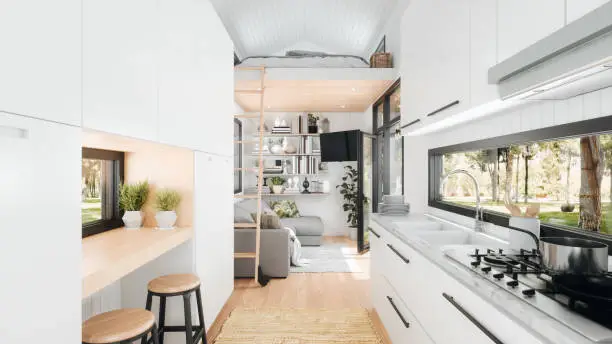
A small room is not automatically a stressful room. Some small apartments feel calm, functional, and easy to maintain. Meanwhile, larger homes can still feel crowded and chaotic. The difference is usually not square footage. It is structure.
Many people assume small spaces feel overwhelming because there is simply not enough room. In reality, most frustration comes from the lack of systems that support daily routines. When storage does not match how people actually live, clutter builds quickly and the entire space starts to feel harder to manage.
Small space storage solutions work best when they focus on functionality, not just storage capacity. This is why cleaning often feels temporary in smaller homes. Without proper organization systems, items continue returning to the same surfaces, corners, and pathways.
Small Spaces Expose Clutter Faster

In larger homes, clutter can spread out across multiple rooms. In smaller spaces, every item becomes more visible.
A single pile of laundry can change how an entire bedroom feels. A crowded entryway can make the whole apartment feel disorganized. A few items left on the kitchen counter can quickly create visual stress. This is because small spaces have less room to absorb clutter.
When storage is limited or poorly planned, everyday objects compete for the same surfaces. Shoes end up near the door. Bags land on chairs. Office supplies take over dining tables. Over time, the room begins to feel mentally exhausting, even if it is technically clean.
The Problem Is Usually Layout, Not Size
Many small rooms fail because they are not designed around real routines. A closet with one shelf and one rod cannot support shared storage needs. A bedroom office setup without hidden storage quickly becomes visually crowded. A tiny entryway without hooks, cabinets, or drop zones turns into a daily clutter trap.
The issue is not always having fewer square feet. The issue is that the room lacks structure. Functional small spaces create systems for where things go immediately after use. Without that structure, clutter becomes part of the room’s design. Schedule an estimate now!
Visual Clutter Creates Mental Fatigue
Clutter affects more than organization. It affects attention. When the brain constantly processes unfinished tasks, misplaced items, or crowded surfaces, the room feels heavier and more stressful to use. This is especially noticeable in smaller homes because everything remains visible most of the time.
Visual noise can make it harder to focus, relax, or transition between tasks. A small home office may feel distracting not because it is small, but because cables, papers, and storage all compete for attention within the same space. (Yes, mess causes stress)
This is why organized small spaces often feel larger than they actually are. Reducing visual clutter changes how the room functions emotionally, not just physically.
Why “More Storage” Is Not Always the Answer
Adding random bins or shelves does not automatically solve clutter problems. Many homeowners add more storage without improving accessibility or workflow. Eventually, the room contains more containers but still feels disorganized.
Effective small space storage solutions focus on:
- visibility
- accessibility
- daily habits
- movement within the room
- reducing friction
Good storage systems make it easier to put things away naturally. They support routines instead of interrupting them. The goal is not hiding clutter. The goal is preventing clutter from building up repeatedly.
Small Spaces Need Multi-Functional Design
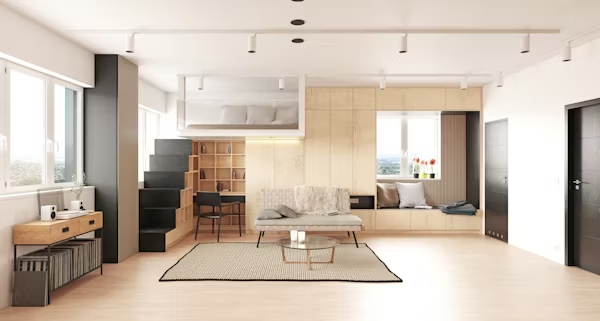
Modern homes increasingly require rooms to support multiple functions.
A guest room may also serve as a home office. A laundry room may double as a mudroom. Living rooms often include entertainment systems, charging stations, workspaces, and hidden storage all within the same area.
Without multi-functional design, these spaces quickly feel overloaded. This is why features like Murphy beds, built-in storage, vertical shelving, and hidden organization systems have become more important in smaller homes and townhomes. They allow rooms to remain flexible without sacrificing organization.
The Most Effective Small Space Storage Strategies
The best small space designs usually share similar principles.
Vertical Storage
Walls are often underused. Vertical shelving and taller cabinets help maximize storage without taking up additional floor space.
Hidden Storage
Closed cabinets reduce visual clutter and make rooms feel calmer. Hidden storage also helps maintain cleaner surfaces.
Defined Zones
Even in small rooms, creating zones helps improve structure. A workspace, entry area, or storage section creates clearer routines and prevents clutter from spreading.
Multi-Purpose Furniture
Furniture with integrated storage helps reduce overcrowding. Beds, benches, and built-ins can all support organization without requiring additional furniture pieces.
Why Organized Small Spaces Feel Bigger

A functional room feels more open because movement becomes easier.
When floors remain clear, storage feels intentional, and items are easy to access, the room stops competing for attention. The space becomes easier to maintain because systems support daily habits instead of working against them.
This is why well-designed small homes often feel calmer than larger disorganized ones. The goal is not making a small room behave like a large room. The goal is making the room function efficiently for the people using it every day. Get free estimate now!
Small Space Storage Solutions for DMV Homes
Homes across Washington D.C., Maryland, Virginia, and West Virginia increasingly require flexible and efficient storage. Apartments, townhomes, and compact layouts benefit especially from systems designed around organization and functionality.
Closet & Beyond creates custom small space storage solutions that help maximize usability while reducing clutter. Using personalized 3D design tools, homeowners can visualize layouts that support storage, movement, and everyday routines.
As we serve Washington D.C., Maryland, Virginia and West Virginia, you can find our showrooms in the following locations:
Conclusion
Small spaces feel overwhelming when they lack structure, not simply because they are small. Without functional storage systems, clutter builds quickly and routines become harder to manage. Over time, this creates visual stress and makes the home feel more crowded than it actually is.
Effective small space storage solutions focus on supporting how people live every day. They improve accessibility, reduce friction, and create systems that are easier to maintain long-term. The goal is not fitting more things into a room. It is creating a space that feels easier to live in. Book a free consultation now!