

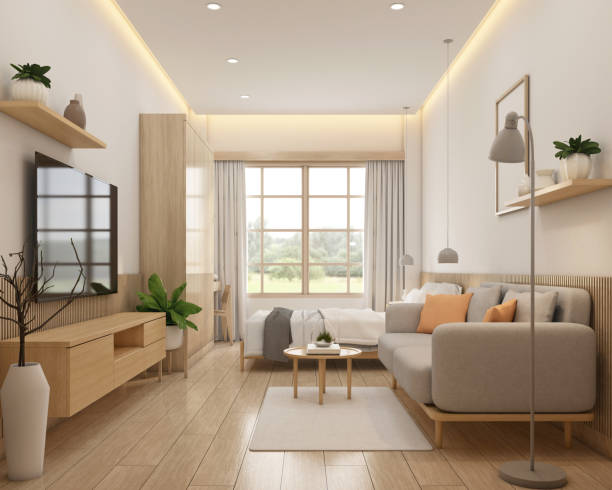
Clutter affects more than how a home looks. It directly influences how people feel, think, and function every day. Disorganized spaces can increase stress, reduce focus, and create a sense of constant overwhelm. Thoughtful organization, supported by custom storage, helps restore calm, mental clarity, and control within the home.
How Clutter Affects the Brain and Emotional Well-Being

The human brain is highly sensitive to visual input. When a space is cluttered, the brain must process excessive information at once. This constant stimulation can lead to mental fatigue and stress. Organization reduces visual noise and helps the mind relax.
Clutter often creates a feeling that tasks are unfinished or out of control. This can trigger anxiety even when no immediate action is required. Organized environments signal order and completion. This psychological shift supports emotional balance.
Why Visual Overload Leads to Mental Fatigue
Too many visible items compete for attention. The brain struggles to filter what is important from what is not. This constant filtering uses energy and reduces focus. Over time, mental exhaustion builds.
When surfaces are clear, the brain can rest. Fewer distractions allow attention to settle. This improves concentration and mental clarity. Calm spaces support healthier thinking patterns.
The Link Between Clutter and Chronic Stress
Clutter can act as a constant reminder of unfinished tasks. Even when ignored, it remains in the subconscious. This ongoing tension can increase stress levels. Over time, it affects mood and patience.
Organized spaces reduce this background stress. They create a sense of control and predictability. Emotional well-being improves as environments become more manageable. Calm surroundings support calmer responses. See our services here!
Why Organization Improves Focus and Productivity

Focus depends on both mental and physical environments. When surroundings are disorganized, attention is easily pulled away. Organized spaces reduce distractions and support sustained concentration. This makes daily tasks feel more achievable.
Productivity improves when items are easy to find and return. Time spent searching breaks focus and momentum. Organization creates smooth workflows. This allows energy to be spent on meaningful tasks instead of managing clutter.
Reducing Decision Fatigue Through Organization
Clutter forces the brain to make constant micro-decisions. Deciding where to put things or what to move consumes mental energy. Over time, this leads to decision fatigue. Focus becomes harder to maintain.
Organized storage reduces unnecessary choices. Items have designated places. Decisions become automatic instead of draining. Mental energy is preserved for more important matters.
Creating Environments That Support Deep Focus
Deep focus requires minimal interruption. Cluttered spaces increase the likelihood of distraction. Organized environments encourage longer periods of concentration. This supports better work, learning, and creativity.
When storage systems are intuitive, attention stays on the task. Visual calm supports mental flow. Focus improves naturally without added effort. The environment works with the brain rather than against it. Offer details!
How Organized Homes Support Emotional Balance

A home is not just a physical space but an emotional one. Disorganization can create feelings of guilt, frustration, or overwhelm. These emotions affect relationships and daily interactions. Organized homes promote emotional stability and ease.
Order creates predictability, which the brain finds comforting. Knowing where things belong reduces tension. Emotional energy is freed up for more positive experiences. Organization supports a sense of peace at home.
Reducing Anxiety Through Predictable Systems
Uncertainty increases anxiety. Clutter creates unpredictability in daily routines. Organized systems restore a sense of order. This predictability helps reduce anxious feelings.
When storage systems are reliable, daily tasks feel manageable. Stress responses decrease. Confidence in the environment increases. Emotional well-being improves over time.
Supporting Better Moods and Daily Energy
Cluttered spaces can feel heavy and draining. Organized spaces feel lighter and more open. This impacts mood and motivation throughout the day. Energy levels often improve.
A calm environment encourages positive habits. Small wins reinforce emotional balance. Organization becomes a source of relief rather than pressure. The home supports well-being instead of stress.
Why Custom Storage Makes Organization Sustainable
Temporary organizing closet solutions often fail over time. They do not account for habits, routines, or real storage needs. Custom storage systems are designed around how people actually live. This makes organization easier to maintain.
Sustainable organization requires systems that adapt. Custom storage grows with changing needs. It supports consistency rather than constant reorganization. This long-term approach protects mental clarity and emotional balance.
Designing Storage Around Real Life Habits
Every household has unique routines. Custom storage reflects these patterns. Items are stored where they are used most. Organization feels intuitive rather than forced.
When storage aligns with habits, clutter is less likely to return. Systems support behavior instead of resisting it. Consistency becomes natural. Long-term order is achievable.
Creating Calm Through Intentional Design
Design influences emotion as much as function. Custom storage reduces visual clutter while enhancing flow. Spaces feel purposeful and calm. This supports mental clarity.
Intentional design removes friction from daily life. The environment becomes supportive rather than demanding. Calm becomes the default state. Organization reinforces emotional well-being.
As we serve Washington D.C., Maryland, Virginia and West Virginia, you can find our showrooms in the following locations:
Frequently Asked Questions (FAQs)
1. Can clutter really affect mental health?
Yes, clutter can increase stress and mental fatigue. It creates constant visual and emotional stimulation. Organized spaces help restore calm and clarity.
2. Why does clutter make it harder to focus?
Clutter competes for attention and drains mental energy. The brain must work harder to filter distractions. Organization reduces this load and supports focus.
3. How does organization reduce stress at home?
Organization creates predictability and control. Items are easy to find and return. This reduces daily frustration and anxiety.
4. Is organization a long-term solution or temporary relief?
Sustainable organization requires systems designed around habits. Custom storage supports long-term consistency. Temporary fixes often fail without proper design.
5. Can custom storage improve emotional well-being?
Yes, thoughtful storage reduces clutter and visual noise. Calm environments support better moods and mental clarity. Organization contributes to emotional balance.
Conclusion: A Calm Home Begins With Organized Design
Clutter affects more than space; it affects stress, focus, and emotional health. Thoughtful organization creates environments that support clarity and calm. Custom storage solutions from Closet & Beyond are designed to align with real-life routines and long-term well-being. Book a free consultation today and experience how intentional organization can transform how your home feels and functions.