

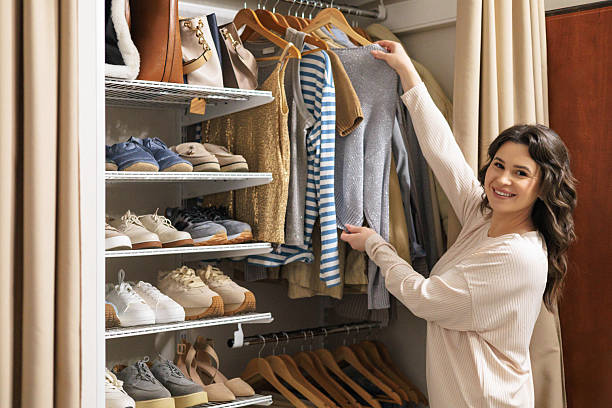
Many homeowners assume that closet systems are interchangeable. In reality, every home and household functions differently. One-size-fits-all closets often ignore daily habits, space limitations, and lifestyle needs. This mismatch leads to clutter, frustration, and wasted space over time.
Real Homes Have Real-Life Storage Challenges
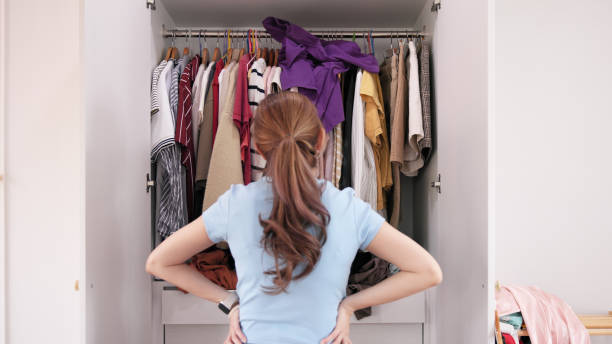
Homes are lived in, not staged. Storage needs change based on routines, family size, and daily habits. Standard closet systems are designed for averages, not real people. This disconnect causes inefficiencies that grow more noticeable with time.
Real homes contain a mix of clothing, accessories, seasonal items, and personal belongings. Generic layouts cannot accommodate this variety effectively. Storage becomes either overcrowded or underused. Custom planning is required to reflect how people actually live.
Different Households Use Closets Differently
A household with children has very different storage needs than a single professional. Some rely heavily on shoes and outerwear, while others prioritize workwear or casual clothing. One-size systems cannot adapt to these differences. The result is constant reorganization. Closets should support daily routines, not disrupt them. When storage does not align with use, clutter builds quickly. Frustration increases as items lack proper placement. Real homes require tailored solutions.
Lifestyle Changes Expose Design Limitations
As life evolves, storage needs change. New family members, remote work, or hobbies introduce new demands. Fixed closet systems cannot adapt easily. Their limitations become obvious during transitions. Custom closets are designed with flexibility in mind. Adjustable components allow storage to evolve. This prevents the need for replacement or workarounds. Adaptability is essential in real homes. Make an appointment with us now!
Why Generic Closet Systems Waste Valuable Space
One-size-fits-all systems are built to fit many homes imperfectly. They often leave unused vertical space or awkward gaps. These inefficiencies reduce storage capacity. Valuable square footage goes to waste. Poorly fitted storage can also make closets feel cramped. Items are forced into spaces that do not suit them. Accessibility suffers as a result. Design that ignores dimensions creates daily frustration.
Ignoring Ceiling Height and Layout Constraints
Closet heights vary widely between homes. Generic systems rarely take full advantage of vertical space. Upper areas often remain empty or inaccessible. This limits storage potential. Custom design considers ceiling height and layout. Storage extends where it makes sense. Every inch is planned intentionally. Space is maximized without overcrowding.
Forcing Items Into Inflexible Configurations
Standard systems rely on fixed shelf spacing and rod placement. These configurations may not suit the homeowner’s wardrobe. Bulky items and specialty clothing struggle to fit. Storage feels restrictive rather than helpful. When items do not fit naturally, clutter follows. Homeowners resort to stacking or improvising. Organization becomes difficult to maintain. Flexible design prevents these issues.
How Poor Closet Fit Affects Daily Routines

Closets are used multiple times a day. When storage is poorly designed, small inconveniences add up. Searching for items, rearranging shelves, and managing overflow wastes time. These frustrations affect daily flow. An inefficient closet increases decision fatigue. Too many visual distractions make choosing outfits harder. Stress builds even during simple tasks. Daily routines suffer without proper design.
Creating Unnecessary Stress and Friction
Disorganized closets create constant mental noise. Items without a clear place cause tension. Even minor clutter can feel overwhelming. Stress accumulates quietly over time. Well-designed storage removes this friction. Clear systems support predictable routines. Calm replaces frustration. Organization becomes effortless rather than forced.
Making Maintenance Harder Over Time
One-size systems often require frequent reorganization. They do not support consistency. Over time, closets revert to clutter. Maintenance becomes a burden. Custom closets are designed for ease of use. Items return to their designated places naturally. Organization sustains itself. Long-term order is achievable. Get an instant quote now!
Why Custom Closet Design Works for Real Homes
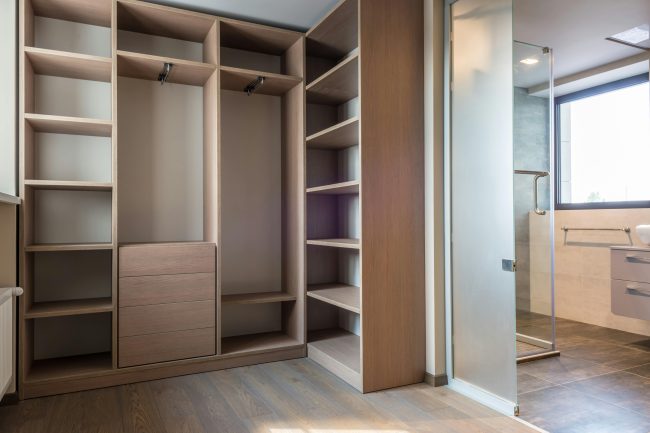
Custom closets are designed around actual habits, space, and needs. They adapt to the homeowner rather than forcing compromise. This alignment makes organization intuitive. Real homes benefit from real solutions. Customization allows for balance between aesthetics and function. Storage fits seamlessly into the home. Design enhances rather than disrupts. The result is a closet that truly works.
Designing Around How You Actually Live
Custom design starts with understanding routines. Storage placement reflects daily use. Frequently used items are accessible. Less-used items are stored thoughtfully. This alignment reduces effort. Organization feels natural. The closet supports the homeowner’s rhythm. Daily life becomes easier.
Creating Long-Term Value Through Flexibility
Custom closets are built to evolve. Adjustable shelving and rods support change. Storage adapts without replacement. This protects the investment. Flexibility ensures longevity. The closet remains useful through life transitions. Value extends beyond appearance. Function stands the test of time.
As we serve Washington D.C., Maryland, Virginia and West Virginia, you can find our showrooms in the following locations:
Frequently Asked Questions (FAQs)
1. Why don’t standard closet systems work well in most homes?
They are designed for averages, not individual needs. Layouts rarely match real habits. This leads to clutter and inefficiency.
2. Can custom closets really improve daily routines?
Yes, items are easier to find and return. Storage aligns with daily use. Routines become smoother and less stressful.
3. Are custom closets better for small spaces?
Small spaces benefit greatly from tailored design. Every inch is planned intentionally. Storage capacity increases without crowding.
4. Do custom closets adapt over time?
Yes, adjustable components allow for change. Storage evolves with lifestyle needs. This ensures long-term usability.
5. Is a custom closet worth the investment?
Custom closets save time, reduce stress, and add home value. Benefits are experienced daily. Long-term value outweighs initial cost.
Conclusion: Real Homes Deserve Real Closet Solutions
One-size-fits-all closets may seem convenient, but they rarely meet real-life needs. Custom closet design aligns storage with space, habits, and lifestyle. Closet & Beyond creates tailored solutions that eliminate wasted space and daily frustration. Book a free consultation today and experience how a custom closet truly transforms how your home works.