

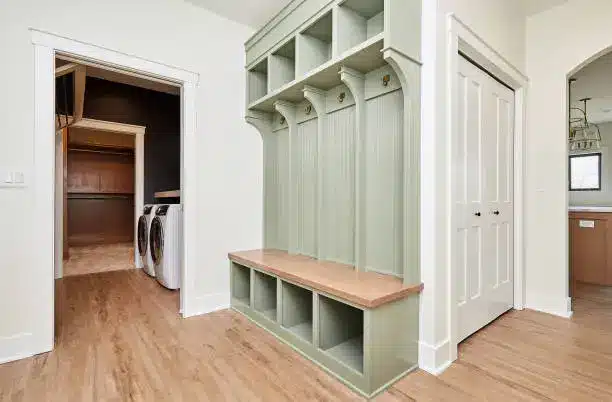
Entryways are one of the busiest areas in a home. Shoes, coats, bags, and daily items often collect near the door, creating clutter. Without proper storage, this space can quickly become disorganized and difficult to manage.
A well-designed mudroom helps control this daily buildup. It creates a structured area where items can be stored immediately when entering the home. This makes it easier to maintain cleanliness and keep everything in place.
In this article, we explore mudroom storage ideas that improve organization, support daily routines, and make entryways easier to manage.
Why Mudroom Organization Matters

Mudrooms act as a transition space between the outdoors and the home. When this area is not organized, clutter can spread to other rooms.
Daily Clutter Builds Up Quickly
Shoes, jackets, and bags are used multiple times a day. Without designated storage, these items are often left on the floor or furniture. Over time, this creates a cluttered entryway that is harder to maintain. A structured storage system helps prevent this buildup.
Disorganization Slows Down Routines
When items are not easy to find, it can slow down daily routines. Searching for shoes, keys, or bags adds unnecessary stress, especially during busy mornings. An organized mudroom allows quick access to essentials, making it easier to leave and return home efficiently.
Storage Solutions That Keep Entryways Organized
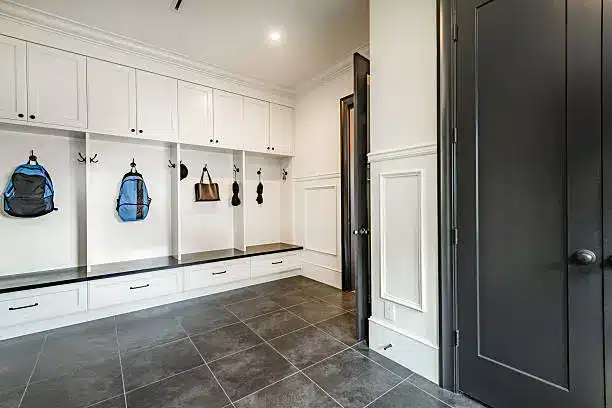
Effective mudroom storage focuses on accessibility and structure. Each item should have a clear place to prevent clutter.
Built-In Cubbies for Shoes and Bags
Cubbies provide individual storage spaces for shoes, backpacks, and personal items. This helps keep everything separated and easy to find. Using cubbies reduces the need to stack items, which can create clutter. It also makes it easier for each household member to manage their belongings.
Hooks for Quick Access
Hooks are useful for items that are used frequently, such as coats, hats, and bags. They allow items to be stored quickly without needing to open drawers or cabinets. Placing hooks at different heights can make them accessible for both adults and children. This simple feature improves both organization and convenience. Get an instant quote now!
Creating Zones for Daily Use
Dividing the mudroom into zones helps organize items based on how they are used. This makes the space more efficient and easier to maintain.
Entry Zone for Everyday Essentials
The entry zone should include items used when entering or leaving the home. This may include shoes, jackets, and bags. Keeping these items in one area reduces clutter and makes them easy to access. A defined entry zone helps create a consistent routine.
Storage Zone for Less Frequently Used Items
Items that are not used daily, such as seasonal gear or extra supplies, can be stored in cabinets or higher shelves. This keeps the main area clear while still providing storage for necessary items. Separating these zones helps maintain an organized space.
Layout Ideas That Improve Mudroom Functionality
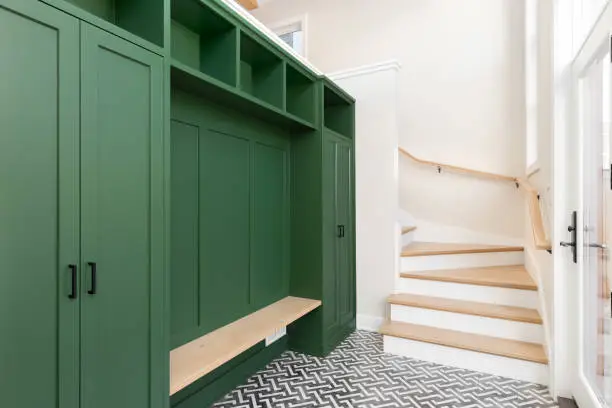
The layout of a mudroom should support movement and accessibility. Even small spaces can be effective with the right design.
Wall-Based Storage for Small Spaces
In compact homes, wall-mounted storage can maximize space. Hooks, shelves, and cabinets can be installed along one wall to keep the floor clear. This layout works well in narrow entryways or hallway mudrooms. Using vertical space helps maintain functionality without overcrowding.
Bench Seating with Storage
A bench provides a place to sit while putting on or removing shoes. Storage can be added underneath the bench for additional organization. This combination improves both comfort and usability. It also helps keep frequently used items within reach. Make an appointment with us now!
Design Details That Improve Daily Use
Small design details can make a mudroom easier to use and maintain.
Durable Materials for High Traffic Areas
Mudrooms experience heavy use and exposure to dirt and moisture. Durable materials help ensure that storage systems last over time. Surfaces that are easy to clean also make maintenance simpler. This is especially important in homes with children or pets.
Lighting for Visibility
Good lighting helps make the space easier to use. It ensures that items are easy to find, especially during early mornings or evenings. A well-lit mudroom also feels more open and organized.
Custom Mudroom Solutions for DMV Homes
Homes across Washington D.C., Maryland, Virginia, and West Virginia have different entryway layouts. Some include dedicated mudrooms, while others use small entry spaces or hallways.
Closet & Beyond designs custom mudroom storage systems based on available space and daily use. Using personalized 3D design tools, homeowners can plan layouts that improve organization and functionality.
As we serve Washington D.C., Maryland, Virginia and West Virginia, you can find our showrooms in the following locations:
Conclusion
A well-organized mudroom helps manage daily clutter and supports smoother routines. By creating clear storage zones and using practical features such as cubbies, hooks, and benches, it becomes easier to keep entryways clean and functional.
Even small spaces can be improved with thoughtful design. A structured layout ensures that every item has a place, reducing clutter and improving accessibility. If you are planning to improve your entryway, a custom mudroom solution can help create a space that fits your home and daily routine. Book a free consultation now!
Frequently Asked Questions (FAQs)
What is a mudroom used for?
A mudroom is used as a transition space where items such as shoes, coats, and bags are stored. It helps keep the rest of the home clean and organized.
How do I organize a small mudroom?
Using wall-mounted storage, hooks, and compact shelving helps maximize space. Keeping items in designated zones also improves organization.
What storage works best in a mudroom?
Cubbies, hooks, benches with storage, and cabinets are commonly used. These features help keep items organized and accessible.
Can a mudroom be created in a small space?
Yes, mudrooms can be designed in entryways or hallways. Efficient layouts and vertical storage help maximize functionality.
How do I keep a mudroom from getting messy?
Assigning storage spaces for each item and maintaining a routine helps prevent clutter. Regular organization also supports long-term use.