

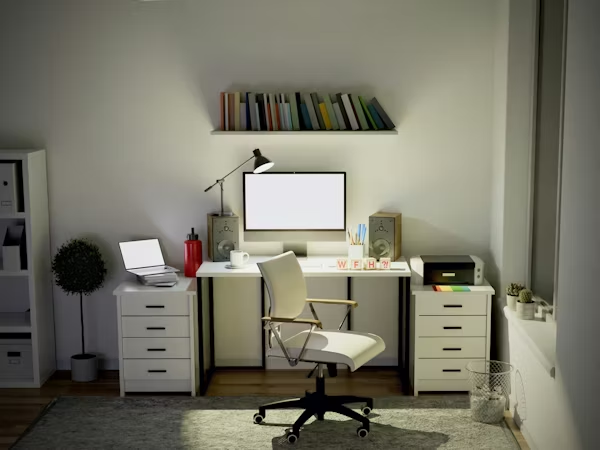
Working from home can be productive, but it also comes with distractions. Noise, clutter, and poor layout can make it difficult to focus. Even a well-furnished office can feel inefficient if it is not designed for concentration.
A distraction-free home office is not about adding more furniture. It is about creating a space that supports focus, limits interruptions, and keeps everything organized. Small design choices can make a noticeable difference in how you work.
In this article, we explore home office setup ideas that help reduce distractions, improve focus, and create a workspace that supports consistent productivity.
Identifying What Causes Distractions in a Home Office
Before improving a workspace, it is important to understand what disrupts focus. Most distractions come from clutter, poor layout, or lack of structure.
Visual Clutter and Overloaded Spaces
Too many items on a desk or open shelves can make it harder to concentrate. Papers, cables, and unused items create visual noise that competes for attention. A cluttered environment can slow down decision-making and reduce efficiency. Keeping the workspace clean and structured helps improve focus.
Lack of Defined Work Boundaries
When a workspace blends into other parts of the home, it becomes harder to separate work from personal time. This can lead to interruptions and reduced productivity. Creating clear boundaries helps signal when it is time to focus. Even in shared spaces, defined work zones can improve concentration.
Designing a Layout That Supports Focus
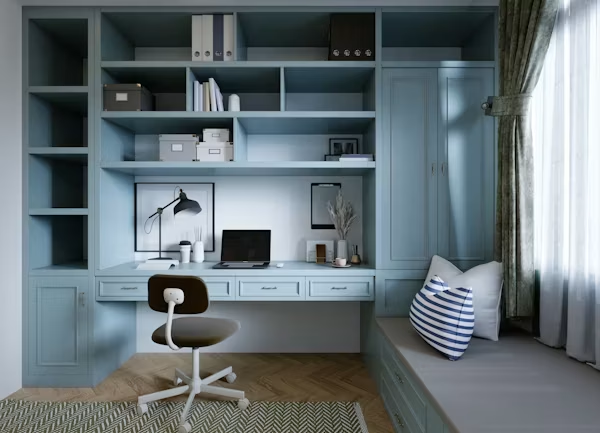
A distraction-free workspace starts with the right layout. The goal is to create a structure that keeps essential items accessible while minimizing unnecessary elements.
Positioning the Desk for Fewer Interruptions
The placement of your desk affects how often you are distracted. Facing high-traffic areas can lead to constant interruptions. Positioning the desk toward a wall or a quieter part of the room helps reduce visual distractions. This setup allows for better focus during work hours.
Creating Separation Between Work and Storage
Combining work surfaces with storage can lead to clutter. Keeping storage slightly separate from the main desk area helps maintain a clean workspace. Shelves, cabinets, or storage units should support the desk without overcrowding it. This separation helps maintain a clear work zone. Make an appointment with us now!
Storage Strategies That Reduce Distractions
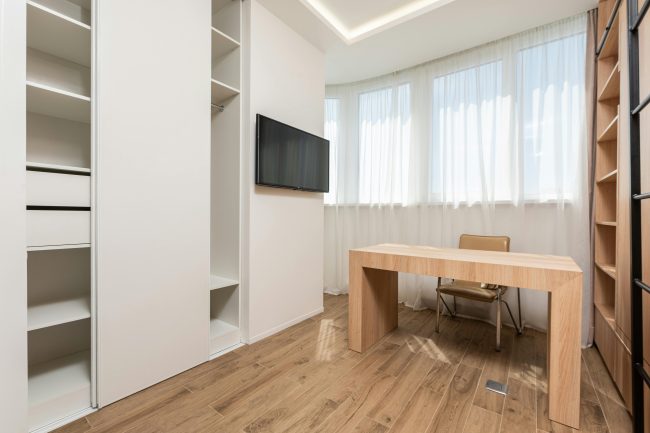
Storage is not just about organization. It also plays a role in reducing distractions and improving focus.
Keeping the Desk Surface Clear
A clear desk helps reduce visual clutter and allows you to focus on the task at hand. Only essential items should be kept on the desk. Storage systems such as drawers and cabinets can hold items that are not needed immediately. This keeps the workspace clean and structured.
Organizing Cables and Equipment
Cables and electronic devices can create visual and physical clutter. Without proper management, they can make the workspace feel disorganized. Using cable management systems or concealed storage helps keep these elements out of sight. This improves both appearance and usability. Get an instant quote now!
Creating an Environment That Supports Concentration

The overall environment of a home office can affect how easy it is to stay focused. Small adjustments can improve comfort and reduce distractions.
Managing Lighting and Screen Position
Lighting affects both visibility and comfort. Poor lighting can cause eye strain, while overly bright light can be distracting. Positioning the desk near natural light can help, but it should not create glare on screens. Balanced lighting supports longer work sessions without discomfort.
Reducing Noise and External Disruptions
Noise is a common distraction in home offices. Choosing a quieter area of the home or adding simple sound control solutions can help. Soft materials, rugs, or closed doors can reduce noise levels. A quieter environment makes it easier to concentrate.
Custom Home Office Solutions for DMV Homes
Homes across Washington D.C., Maryland, Virginia, and West Virginia often require flexible workspaces. Some homeowners have dedicated offices, while others create work areas within shared rooms.
Closet & Beyond designs custom home office systems that support focus and organization. Using personalized 3D design tools, homeowners can plan layouts that fit their space and workflow before installation.
As we serve Washington D.C., Maryland, Virginia and West Virginia, you can find our showrooms in the following locations:
Conclusion
A distraction-free home office helps improve focus and productivity. By reducing clutter, organizing storage, and planning the layout carefully, it is possible to create a workspace that supports daily tasks.
Simple changes such as keeping the desk clear, managing cables, and positioning furniture correctly can make a noticeable difference. A well-designed space allows you to work more efficiently and with fewer interruptions.
If you are planning to improve your workspace, a custom home office design can help create a structured environment that fits your needs and supports your routine. Book a free consultation now!
Frequently Asked Questions (FAQs)
How can I reduce distractions in my home office?
Reducing distractions involves minimizing clutter, organizing storage, and positioning your desk in a quieter area. These changes help improve focus.
What is the best layout for a home office?
The best layout keeps essential items within reach while separating storage from the main workspace. This helps maintain a clean and organized desk.
How important is lighting in a home office?
Lighting is important for visibility and comfort. Proper lighting reduces eye strain and helps maintain focus during long work sessions.
How do I keep my home office organized?
Using drawers, cabinets, and shelves helps keep items in designated spaces. Keeping the desk surface clear also supports organization.
Can a home office work in a shared space?
Yes, a home office can function in a shared space with proper layout and storage. Defining a clear work zone helps reduce distractions.