


A home office is no longer a temporary setup. It has become a core part of daily life for many households. Without proper storage and layout, workspaces quickly become cluttered and distracting. A well-designed home office supports focus, efficiency, and long-term comfort.
Why Home Office Design Matters More Than Ever
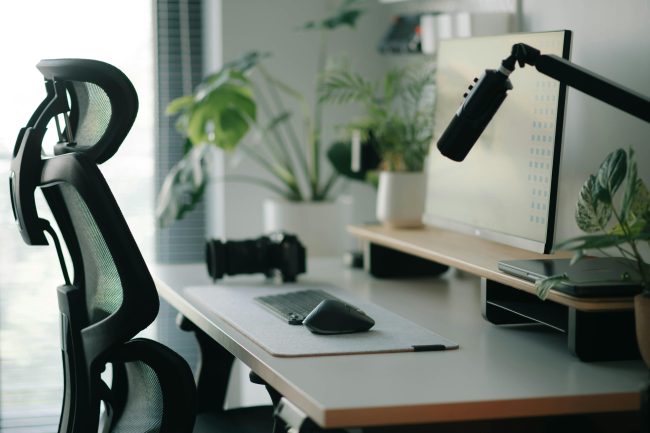
Home offices now serve as primary work environments rather than occasional spaces. Poor organization can negatively affect concentration and productivity. Thoughtful design creates structure that supports daily work routines. A well-planned office helps separate work from home life.
An organized workspace reduces visual noise and mental fatigue. Storage plays a critical role in maintaining this balance. When everything has a place, work feels more manageable. Design becomes a tool for better performance.
Reducing Distractions Through Organization
Clutter competes for attention during the workday. Disorganized desks and shelves make it harder to focus. Proper storage removes unnecessary visual distractions. This creates a calmer and more productive environment.
An organized office supports sustained concentration. Items are easy to find and return. This prevents constant interruptions. Focus improves naturally through structure.
Creating Clear Boundaries Between Work and Home
Working from home often blurs personal and professional boundaries. A defined office space helps create separation. Storage systems reinforce this boundary by containing work materials. This makes it easier to disconnect at the end of the day.
A well-designed office signals when work begins and ends. This structure supports better routines. Mental clarity improves with physical organization. Balance becomes easier to maintain. Make an appointment with us now!
Designing Storage Around How You Work
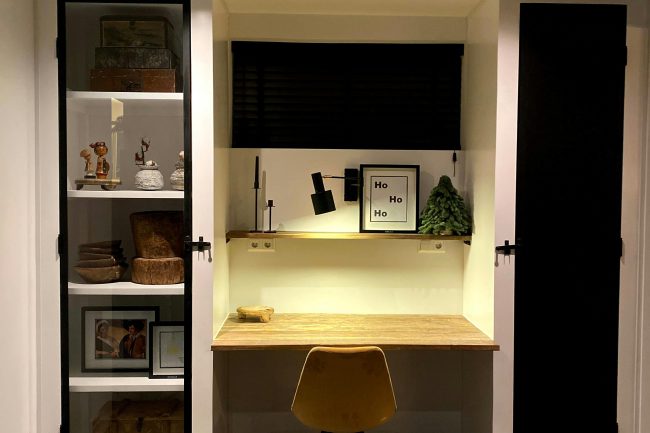
Every profession has different storage needs. Some require paperwork, while others rely on technology or creative tools. Home office design should reflect daily work habits. Custom storage ensures functionality without excess clutter.
Designing around workflow improves efficiency. Storage placement affects how smoothly tasks are completed. Thoughtful layouts reduce wasted movement. Workdays become more streamlined.
Organizing Documents and Office Essentials
Paperwork can quickly overwhelm a workspace. Proper storage keeps documents organized and protected. This prevents piles from accumulating on desks. Clear systems support easier retrieval and filing.
Organized documents reduce stress. Work feels more controlled and efficient. Time is saved during daily tasks. Structure supports productivity.
Managing Technology and Equipment Effectively
Home offices often rely on multiple devices. Without proper storage, cords and equipment create clutter. Thoughtful design keeps technology organized and accessible. This protects devices while maintaining a clean workspace. Efficient equipment storage improves workflow. Everything is within reach when needed. Visual clutter is reduced. The office feels professional and intentional. Get an instant quote!
Making Small or Shared Home Offices Work Better
Not all home offices have dedicated rooms. Many are located in bedrooms, living areas, or shared spaces. Smart design allows these areas to function without disrupting the rest of the home. Storage plays a key role in this balance.
Compact offices require careful planning. Every inch must serve a purpose. Custom storage ensures efficiency without overcrowding. Small spaces remain functional and comfortable.
Maximizing Space Without Overcrowding
Limited space requires thoughtful layouts. Vertical storage helps keep floors and desks clear. Proper placement prevents the room from feeling cramped. The workspace stays open and usable.
Efficient use of space improves comfort. Movement remains easy. Storage feels integrated rather than forced. Small offices work harder with good design.
Blending Office Storage With Home Design
Home offices should feel cohesive with the rest of the house. Storage finishes and layouts can blend seamlessly into surrounding spaces. This prevents the office from feeling intrusive. Design harmony supports comfort.
A visually integrated office feels intentional. It enhances the overall home aesthetic. Workspaces feel less temporary. Style and function coexist.
The Long-Term Value of a Well-Designed Home Office
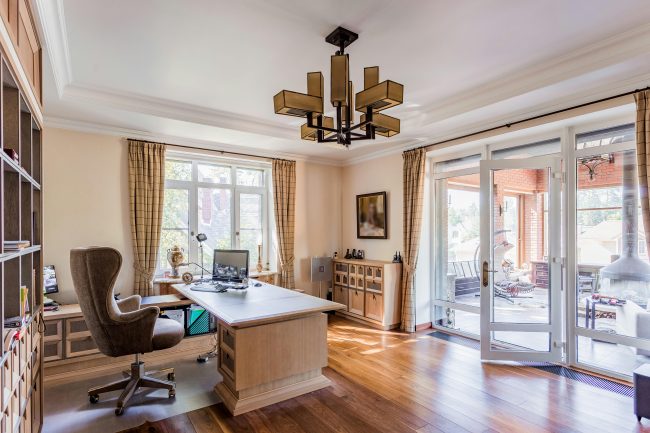
A thoughtfully designed home office offers lasting benefits. It supports productivity today and flexibility tomorrow. Storage systems that adapt over time prevent frequent redesigns. This makes the office a long-term asset.
Beyond daily use, a functional home office adds appeal to the home. Buyers increasingly value dedicated workspaces. Organization reflects quality and planning. Long-term value extends beyond convenience.
Adapting Storage as Work Needs Change
Work tools and routines evolve over time. Adjustable shelving allows storage to shift as needed. This prevents costly updates. Flexibility ensures continued relevance.
An adaptable office supports career changes. Storage grows with new demands. The space remains functional. Longevity is built into the design.
Enhancing Home Comfort and Resale Appeal
A well-organized office improves daily comfort. It also strengthens the home’s overall layout. Buyers see value in ready-to-use workspaces. Thoughtful design enhances resale potential.
An efficient office reflects modern living. Storage solutions show attention to detail. Function and aesthetics align. The home feels future-ready.
As we serve Washington D.C., Maryland, Virginia and West Virginia, you can find our showrooms in the following locations:
Frequently Asked Questions (FAQs)
1. Why is storage important in a home office?
Storage keeps work materials organized and accessible. It reduces clutter and distractions. This supports better focus and productivity.
2. Can a home office work in a small space?
Yes, smart storage makes small offices highly functional. Vertical and custom solutions maximize limited space. Efficiency improves without overcrowding.
3. How does organization affect productivity?
An organized workspace reduces wasted time and mental fatigue. Items are easier to find and manage. Workflows become smoother.
4. Can home office storage adapt over time?
Custom systems often include adjustable components. Storage can change as work needs evolve. This ensures long-term usability.
5. Does a home office add value to a home?
Yes, dedicated workspaces are increasingly desirable. Organized offices improve functionality and appeal. This can enhance resale value.
Conclusion: Build a Home Office That Works as Hard as You Do
A well-designed home office supports focus, productivity, and balance. Thoughtful storage transforms workspaces from cluttered to calm. Closet & Beyond designs custom home office solutions tailored to your workflow and space. Book a consultation today and create an office that truly supports your success.