

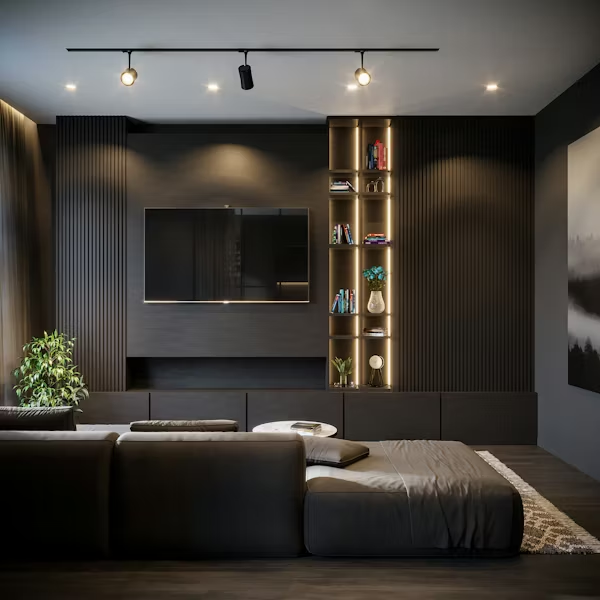
Living rooms often become cluttered with electronics, cables, gaming accessories, and media devices. Without proper storage, entertainment areas can quickly feel crowded and disorganized. Even modern spaces can lose functionality when devices and wires are left exposed.
A well-designed entertainment center helps organize these items while improving the overall layout of the room. Instead of acting as a simple TV stand, it creates structured storage that supports how the space is used every day.
In this article, we explore entertainment center design ideas that reduce clutter, improve organization, and create a cleaner living room.
Why Entertainment Centers Need Better Organization

Modern entertainment systems involve more than just a television. Multiple devices and accessories often share the same space.
Cables and Devices Create Visual Clutter
Streaming devices, gaming consoles, speakers, and routers all require cables and connections. Without organization, wires become tangled and difficult to manage. Visible cables can make even an organized room feel messy. Proper storage and cable management help create a cleaner appearance.
Limited Storage Leads to Overcrowding
Many standard TV stands do not provide enough storage for accessories and equipment. Remote controls, gaming accessories, and media items often end up scattered around the room. Adding structured storage helps reduce clutter and keeps items easy to access. This improves both organization and usability.
Storage Features That Improve Entertainment Centers
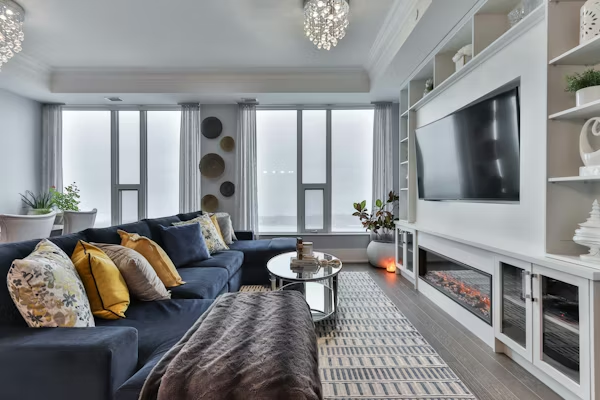
Effective entertainment center design focuses on accessibility and organization. Storage should support daily use without overcrowding the room.
Cabinets for Hidden Storage
Cabinets are useful for storing devices, accessories, and items that do not need to remain visible. This helps reduce visual clutter and creates a cleaner layout. Closed storage also protects electronics from dust and keeps the room looking more organized. Cabinets are especially useful for storing gaming accessories and extra cables.
Open Shelving for Frequently Used Devices
Open shelving provides easy access to media players, gaming consoles, and speakers. It also allows proper airflow around electronics. Keeping frequently used devices on open shelves improves accessibility while maintaining organization. A balanced combination of open and closed storage creates a more functional setup. Make an appointment now!
Cable Management Ideas That Reduce Clutter
Cable management is one of the most important parts of entertainment center design. Organized wiring improves both appearance and functionality.
Built-In Cable Routing
Built-in cable routing systems allow wires to pass behind panels or through hidden channels. This keeps cables organized and out of sight. It also makes it easier to manage connections when adding or removing devices. Concealed cable systems help maintain a cleaner layout over time.
Positioning Devices Strategically
Placing devices near outlets and connection points reduces the need for visible extension cords and long wires. Planning the layout before installation helps prevent clutter and improves accessibility. This creates a more organized and efficient entertainment area.
Layout Ideas for Different Living Room Sizes
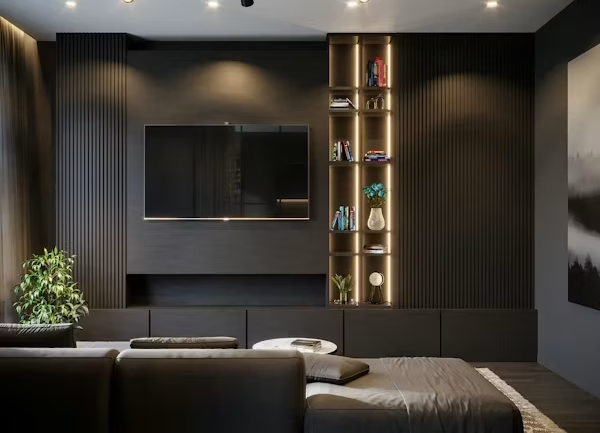
Entertainment centers should match the size and layout of the room. The right design helps maintain balance and improve movement within the space.
Wall-Based Entertainment Centers for Small Rooms
In smaller living rooms, wall-based units help maximize floor space. Floating shelves and mounted storage create a cleaner and more open layout. This approach keeps the room functional without feeling overcrowded. It also improves visibility and accessibility.
Built-In Entertainment Walls for Larger Spaces
Larger living rooms can support full built-in entertainment walls. These designs provide more storage while creating a structured focal point. Built-in systems can include shelving, cabinets, and display areas that keep everything organized in one place. This improves both functionality and visual balance. Get an instant quote now!
Design Details That Improve Daily Use
Small design choices can make entertainment centers easier to use and maintain.
Lighting for Better Visibility
Integrated lighting helps improve visibility around shelves and display areas. It also reduces strain when using devices in low light. Soft lighting can create a more comfortable atmosphere without overwhelming the room. A well-lit entertainment center feels more organized and modern.
Durable Materials for Long-Term Use
Entertainment centers are used daily and support heavy electronics. Durable materials help maintain the structure and appearance of the unit over time. Easy-to-clean finishes also simplify maintenance and reduce visible wear. Practical materials improve long-term functionality.
Custom Entertainment Center Solutions for DMV Homes
Homes across Washington D.C., Maryland, Virginia, and West Virginia have different living room layouts and storage needs. Some require compact wall-mounted systems, while others benefit from larger built-in units.
Closet & Beyond designs custom entertainment centers that improve organization and reduce clutter. Using personalized 3D design tools, homeowners can visualize layouts before installation.
As we serve Washington D.C., Maryland, Virginia and West Virginia, you can find our showrooms in the following locations:
Conclusion
A well-designed entertainment center helps create a cleaner and more organized living room. By combining storage, cable management, and efficient layouts, it becomes easier to manage devices and reduce clutter.
Features such as cabinets, open shelving, and built-in cable systems improve both usability and appearance. Even smaller living rooms can feel more functional with the right design approach.
If you are planning to upgrade your entertainment area, a custom entertainment center can help create a layout that fits your home and supports daily use. Book a free consultation now!
Frequently Asked Questions (FAQs)
What is an entertainment center?
An entertainment center is a storage unit designed to organize televisions, media devices, and accessories. It often includes shelves, cabinets, and cable management features.
How do I hide cables in an entertainment center?
Built-in cable routing systems and concealed channels help keep wires organized and out of sight. This reduces visible clutter.
Are built-in entertainment centers worth it?
Built-in units provide customized storage and improve organization. They also create a cleaner and more structured living room layout.
What storage works best for entertainment centers?
Cabinets and open shelving work well together. Cabinets hide clutter while open shelves provide access to frequently used devices.
Can entertainment centers work in small living rooms?
Yes, wall-mounted systems and floating shelves help maximize space in smaller rooms. Efficient layouts improve functionality without overcrowding the room.