

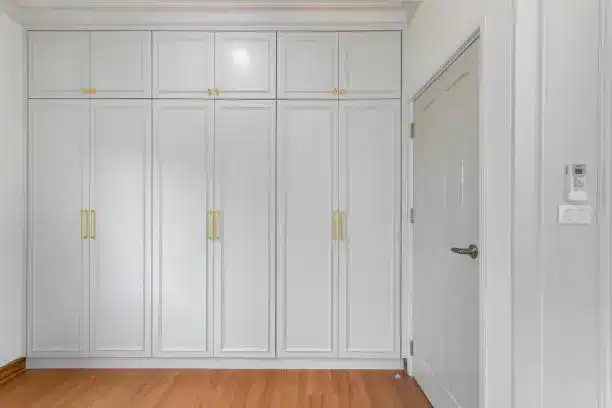
Foster and adoptive families are large-hearted, and usually, large homes. Among the peculiarities they have to cope with is the organization of things as they welcome children of various ages and needs. Whether you are getting ready to move to a different placement or you are long-term planning an adopted child, custom closets can assist in making your space comfortable, organized, and a place to belong to. In this article, we are going to see how personal closets can accommodate the flexibility, emotional needs, and routines of foster and adoptive families. Learn more about us!
Unique Storage Needs in Foster and Adoptive Households
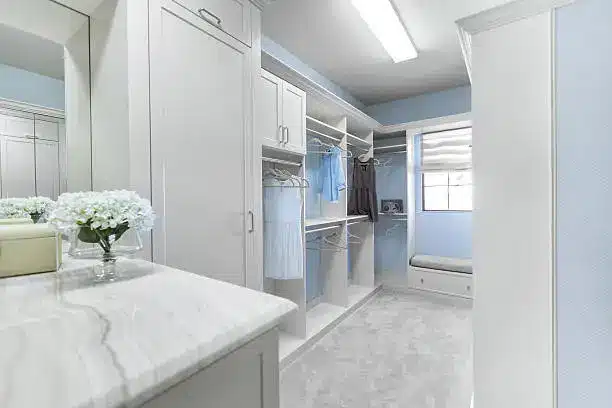
Each foster and adoptive family is different. Children can also show up unexpectedly, can be long or short-term, and can be of different ages and backgrounds. It necessitates flexibility and preparedness to a great extent. With custom closets, families are ready and prepared- no matter what the following day may bring.
Preparing for Varying Age Groups and Frequent Transitions
Foster parents can take a toddler and a teenager in different months. There is such a wide range in terms of age and size and the normal closet systems are not working. A custom closet will also allow you to lower or raise shelves, rods and bins depending on the age of the child that you are looking after. It assists in making everything such as baby clothes, school uniforms easy to store and easy to find.
Creating Adaptable Closet Systems for Short- and Long-Term Care
In some cases, children may be kept a few days; in others, they may end up being members of the family. An effective closet system is responsive in either case. You may establish areas that will be used on a daily basis, short-term storage, or rotational requirements as placements vary. Such flexibility helps in relieving stress and makes your house run smoothly.
Flexible Closet Systems That Grow with the Child
As children grow, their storage needs change. A closet that worked for a 6-year-old won’t be useful when they turn 12—unless it was designed to grow with them. That’s the beauty of custom closet systems—they evolve alongside your family.
Adjustable Shelving and Rods for Changing Clothing Sizes
Children grow out of clothes quickly, and their wardrobe must be in a position to accommodate them. Adjustable rods allow you to hang small onesies and full-sized jackets the following day. The shelves are adjustable so the shelves can be raised and lowered to accommodate growing shoe sizes, backpacks and so on. It is a time-saving, cost-effective, and space-saving flexibility.
Modular Designs to Accommodate Toys, Books, and Personal Items
Each child requires a place to keep the things that are important to them, be it storybooks, action figures, or a favourite stuffed animal. Modular closet designs have cubes, drawers, and pull-out bins to accommodate all that. These elements can be reorganized as the interests and the needs of the child change. It is a clever idea on how to make their space functional and fun. Make an appointment with us!
Shared Closet Spaces for Siblings and Temporary Guests

Many foster and adoptive homes have children sharing rooms—or rotating through them. This makes shared closet design even more important. With the right setup, each child can have their own space, even when they’re sharing a room.
Divided Compartments for Individual Belongings
With a custom closet, it is easy to assign each child his or her own space- no matter how little the space. Labels, bins, and color-coded drawers make it easier to separate clothing and personal items. Every child is able to feel as though he/she has his/her space. This little bit of order helps a lot in achieving harmony.
Privacy Considerations in Shared Environments
Privacy is of importance even in shared rooms, particularly to children who are settling in a new home. Closets may have covered bins, secret drawers, or locked section to keep personal things. Such touches make children feel safe and respected. It is a significant component in developing a home that is safe and comfortable.
Quick Access Storage for Emergency Placements
This is one of the realities of foster care where children are brought in with little to no warning. Quick access to cheap supplies is essential in such cases. A custom closet system will also have pre-created emergency areas that will have you prepared in a minute.
Easily Accessible Areas for Essentials Like Hygiene Kits and Clothing
Think of a labeled drawer with clean socks, a basket of toothbrushes, or even a shelf with fresh PJs all waiting to be used. Quick-access storage can do that. Preparing these necessities in advance will help to make the initial few hours with a newborn easier and reassuring. It immediately makes them feel that they are looked after.
Pre-Organized Bins for Different Age and Gender Categories
Most foster parents have labeled bins by age and gender, (e.g. Toddler Girl, Teen Boy). This is why a custom closet is useful in creating space in which these bins fit and can be reached with ease. It is an effective method of being prepared without leaving your home in a mess. No more last minute scurring or cluttered storage closets.
Emotional Comfort Through Personalized Storage
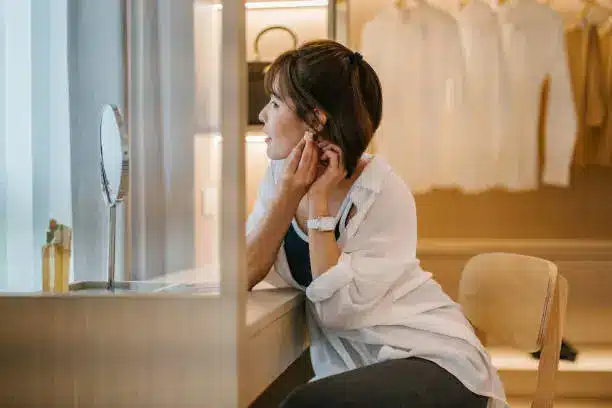
Closets are not only clothes; they can be used to help a child in his or her emotional development. By adding a place to add personal touches, you are not only adding storage, but you are adding the feeling of home. This is particularly influential to children undergoing significant life transitions.
Incorporating Space for Memory Boxes, Photo Frames, and Name Tags
The identity and memories of a child matter even during temporary placements. You may add shelves or bins where the memory boxes, photo albums, and crafts they have created can be stored. Place a name tag on a drawer or a hanging space so that they will realize that this area belongs to them really. These little touches can add some comfort and stability in the face of a major transition.
Designing Closets That Foster a Sense of Belonging
When a child looks at their name, their favorite color, or a framed picture in a closet, it lets them know they are part of the family. Custom design offers the opportunity to give a closet the look and feel of the child. It makes a basic space into a special one. That sense of possession and familiarity can establish confidence and emotional safety.
Integrating Donation and Rotation Systems
Foster and adoptive families often receive donations or pass items along between kids. But without a plan, it’s easy for things to pile up. A smart closet design can include zones for storing, sorting, and donating items to keep your home clutter-free and functional.
Areas Designated for Outgrown Clothes and Toys
Instead of letting outgrown items mix in with daily-use stuff, give them their own section. A bin or shelf marked “donate” or “pass down” keeps things organized. When it’s full, it’s your signal to sort and send. This system also helps kids learn the value of giving and reusing.
Simplifying Organization for Donations and Hand-Me-Downs
You can even have one side of the closet dedicated to “next size up” items. Store hand-me-downs, shoes, or seasonal clothes that aren’t needed just yet. Label everything clearly so you know what you have and when to rotate it in. With this setup, you’re always one step ahead—and your storage stays tidy.
As we serve Washington D.C., Maryland, Virginia and West Virginia, you can find our showrooms in the following locations:
Frequently Asked Questions (FAQs)
How can I prepare a closet for emergency foster placements?
Start by having a small section of the closet which is an emergency only section. Place hygiene kits, clean clothes, blankets and pajamas in age and gender labeled bins. Ensure that it is convenient to access and well arranged. It enables you to comfort and care about a new arrival on the spot.
What storage features are best for children of different ages?
Adjustable shelving and rods are essential, so the space can grow with the child. Include bins for toys and drawers for clothes or personal items that match the child’s current age and stage. Modular designs let you move things around as needs change. The goal is to make the closet flexible and easy to update.
Can custom closets help create a sense of stability for foster kids?
Yes, custom closets can play a big role in helping a child feel safe and welcomed. Personalized storage with their name, photos, or special items makes them feel like they truly belong. Organized spaces also reduce stress and make transitions smoother. It’s a small design choice that offers big emotional benefits.
What’s the best way to organize shared closet space?
Divide the sections with dividers, color code them, and each child gets a bin or a drawer. Label all the things so that every child understands what is his or hers. Such privacy options as covered boxes, or lockable drawers should also be considered. Even though a common area is shared, it can still be personalized through mindful design.
Are there closet systems that grow with children over time?
Absolutely! Adjustable rod, shelves and modular custom closets are to be expanded as the child grows. It is not difficult to change the design according to their clothing sizes, storage requirements, and interests. This spares you the need to redesign over and over or do ugly workarounds. An investment that can be developed is one of the cleverest things that a growing family can invest in.
Every foster or adoptive family deserves a home that supports their journey—with flexibility, care, and smart storage that makes life easier. A custom closet system doesn’t just organize your home—it helps you care for the children in it. From emergency prep to emotional support, the right design meets both practical and personal needs.
Want to build a closet that supports your growing family? Book a consultation with Closet & Beyond today and let’s create a storage solution that adapts to your heart-driven home.