

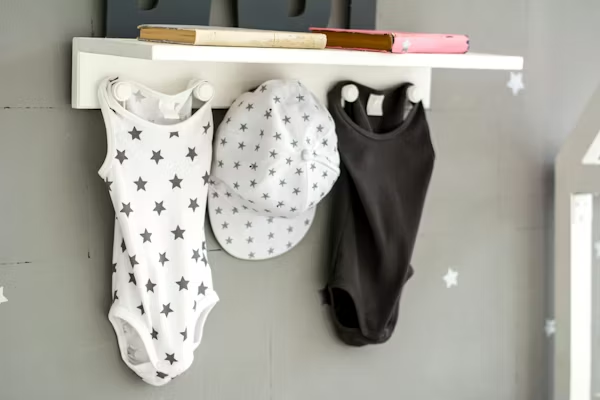
A nursery should feel calm, not crowded. Yet baby clothes, blankets, diapers, and toys can quickly fill every corner of a closet. Without a clear layout, even a small amount of clutter can make daily routines harder for parents.
In this article, you will learn how custom baby closet design improves nursery organization, maximizes available space, and creates storage that adapts as your child grows. We will cover layout planning, essential features, safety considerations, and long-term flexibility. If you live in the DMV area, this guide will also explain how custom nursery storage can fit different home styles.
Why Custom Baby Closet Design Improves Nursery Organization

A nursery closet should support daily routines, not complicate them. When shelves, rods, and drawers are placed with purpose, parents can quickly find what they need. This reduces stress during busy mornings and late-night changes. A structured closet also helps maintain order as new items are added.
Custom baby closet design focuses on how families actually use the space. Instead of working around a fixed layout, the storage system is built to match your wall size, ceiling height, and storage habits. This makes every inch functional. Over time, this thoughtful planning prevents overcrowding.
Babies Have More Items Than Expected
Many first-time parents assume baby clothes take little space. While garments are small, they come in multiple size groups at once. Gifts and seasonal items add to the collection quickly. Without separation, different sizes get mixed together.
A baby closet system with double hanging rods allows clothing to be grouped by size. Adjustable shelves keep folded items organized. Built-in drawers store small pieces like socks and bibs. These features create structure without making the closet feel tight.
Small Nursery Closets Need Strategic Layouts
Not all nurseries have walk-in closets. Many homes in Washington D.C., Maryland, Virginia, and West Virginia include reach-in closets or compact storage areas. Poor planning can waste vertical space and limit accessibility. A smart layout solves this issue.
Custom nursery storage uses floor-to-ceiling design. Higher shelves store seasonal items, while lower sections keep daily essentials within reach. Stacked rods maximize hanging capacity. This approach increases storage without expanding the room. Get an instant quote now!
Essential Features in a Custom Baby Closet Design
Good design is simple and functional. Each feature should serve a clear purpose. The goal is not to add more storage, but to add smarter storage. When every section has a role, clutter is easier to control. A well-planned custom baby closet design typically includes:
Double hanging rods for short clothing
Adjustable shelves for changing needs
Built-in drawers with dividers
Open shelving for daily-use items
Upper shelves for seasonal storage
These features work together to support both newborn and toddler stages.
Adjustable Shelving for Long-Term Flexibility
Babies grow fast, and their storage needs change just as quickly. Shelves that cannot move may become limiting within a year. Adjustable shelving solves this issue. It allows you to modify the layout without replacing the system.
For example, folded onesies may later be replaced by books or toy bins. Shelf heights can be adjusted to fit new items. This flexibility keeps the closet relevant for years. It also protects your long-term investment in nursery organization.
Built-In Drawers for Small Essentials
Small baby items are easy to misplace. Socks, mittens, headbands, and pacifiers often get lost inside large baskets. Built-in drawers provide contained storage. Dividers add extra structure inside each drawer. Closed drawers also improve the visual appearance of the nursery. They hide smaller items and reduce open clutter. This creates a calmer environment. Organized drawers make daily routines more efficient.
Designing a Baby Closet That Grows With Your Child

A nursery closet should not only work for the newborn stage. Planning for growth ensures the system remains useful as your child enters toddler years. With the right structure, a baby closet system can evolve without major renovation.
Custom baby closet design allows sections to be reconfigured. Hanging rods can be extended. Shelves can be repositioned. Storage can shift from clothing to toys and school supplies over time.
Converting Hanging Space as Clothing Changes
During infancy, clothing is short and requires less vertical space. Double rods maximize hanging capacity during this stage. As your child grows taller, clothing length increases. The closet must adapt.
One rod can be removed to create a single long-hanging section. This accommodates dresses, jackets, and larger outfits. Because the structure is adjustable, the transition is simple. The closet continues serving your needs without replacement.
Adding Storage for Toys and Learning Materials
As children grow, toys and books begin to replace baby gear. Lower shelves and cubbies become useful for accessible storage. When toddlers can reach their own items, they begin learning independence. Organized storage supports that growth.
Custom nursery storage can include open bins or baskets at child height. These keep toys contained but reachable. Over time, the same sections can store school materials. The system evolves alongside your child’s development. Make an appointment with us now!
Safety and Material Considerations in Nursery Closets

Safety is essential in any nursery environment. Storage systems should be secure and stable. Proper installation ensures shelving and rods are anchored correctly. This reduces movement and long-term wear. Material quality also matters in a child’s room. Smooth finishes and durable construction help maintain stability. Soft-close drawers reduce sudden slamming. Clear floor space prevents tripping hazards when carrying your baby.
Secure Installation and Stability
A professionally installed baby closet system fits directly against your walls. Anchoring components properly prevents shifting over time. Stability is especially important in homes with young children. Secure systems reduce risk. Closet components should be aligned carefully during installation. Balanced weight distribution keeps shelves from sagging. This helps maintain structure even as storage needs change. Proper setup protects both your home and your child.
Organized Layout for Daily Safety
A well-designed closet keeps heavy items on stable shelves. Frequently used items remain within easy reach. This reduces the need to stretch or climb for essentials. Clear organization improves both safety and efficiency. Keeping the floor free from loose bins or boxes prevents accidents. Assigning specific spaces to each item maintains order. A clean layout supports calm routines. Small details in planning make a large difference.
Custom Baby Closet Design in the DMV Area
Homes across Washington D.C., Maryland, Virginia, and West Virginia vary in layout and size. Townhomes, apartments, and single-family houses often have different closet dimensions. Custom storage solutions adjust to these variations. This ensures functionality regardless of room shape.
As we serve Washington D.C., Maryland, Virginia and West Virginia, you can find our showrooms in the following locations:
Seeing materials and layout examples in person can help families visualize how a custom baby closet design fits their space. Showrooms allow you to compare finishes and configurations. This step supports informed decisions before installation. Contact us: tel:(703) 810-3821
Frequently Asked Questions (FAQs)
1. What is a custom baby closet design?
A custom baby closet design is a storage system built to fit your nursery’s exact dimensions. It includes adjustable shelves, rods, and drawers based on your needs. The layout supports both newborn and toddler stages. It maximizes space without wasting unused areas.
2. How long can a baby closet system be used?
A well-designed baby closet system can last for many years. Adjustable components allow it to grow with your child. Sections can shift from clothing storage to toy or book storage. This flexibility extends its usefulness.
3. Is custom nursery storage better than pre-made organizers?
Pre-made organizers come in fixed sizes. Custom nursery storage is built to match your space precisely. This reduces wasted vertical or corner areas. It provides a more structured layout for long-term use.
4. Can small nurseries benefit from custom closet systems?
Yes, small nurseries often benefit the most. Custom layouts use vertical space efficiently. Double rods and adjustable shelves increase storage without expanding the room. This makes compact closets more functional.
5. What should I prepare before designing a baby closet?
Start by listing items you need to store. Separate daily-use essentials from seasonal items. Measure your closet dimensions if possible. Think about future storage needs beyond the newborn stage.
Conclusion: A Smart Start for Nursery Organization
A well-planned nursery begins with structured storage. A custom baby closet design maximizes available space, simplifies daily routines, and adapts as your child grows. Thoughtful layouts prevent clutter before it starts. Flexible systems reduce the need for future redesign.
If you are preparing a nursery in Washington D.C., Maryland, Virginia, or West Virginia, consider a storage solution designed specifically for your home. Book a free consultation today to explore personalized nursery closet organization that fits your space and your child’s future needs.