


One of the greatest dangers to stored items is humidity. Too much moisture can be disastrous to everything, including clothes, shoes, electronics, and other important documents. Normal closets do not have good air circulation, and this is the best place where mold and mildew can grow. Having a closet systems that control moisture and enhances ventilation, you will preserve your valuables and will have an organized and healthy home atmosphere.
The Hidden Risk of Mold in Closet Spaces
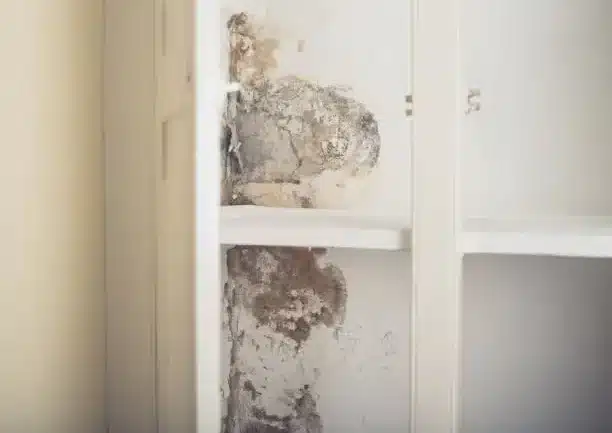
Closets may seem like safe storage spaces, but their enclosed design often traps humidity. Without proper ventilation or moisture control, these spaces become a breeding ground for mold and mildew. Understanding the risks is the first step toward creating a closet system that prevents damage to your possessions.
Why Closets Are Prone to Moisture Buildup
Closets are usually poorly ventilated, particularly when they do not contain windows or vents. This exposes them to moisture build-up by surrounding bathrooms, basements or even humidity. This moisture may over a period of time cause growth of mould on walls, shelves and stored goods.
How Mold Affects Clothing, Documents, and Electronics
Mold does not only leave stains on fabrics; it weakens fibers, develops odors, and may lead to allergies. Significant papers kept in damp closets can bend, fade or even turn brittle. Moisture causes a risk of internal corrosion and irreversible failure of electronics. These problems render humidity control an important component of closet design.
Custom Closet Cabinets with Built-In Ventilation

Ventilation is key to preventing mold and mildew inside your closet. Modern closet systems can integrate airflow solutions that keep your storage area fresh and dry, even in high-humidity environments.
Integrated Air Vents and Passive Airflow Systems
Built in air vents, louvered doors, or slatted panels which enable free circulation of air may be incorporated in custom closets. Passive airflow systems minimize stagnant conditions which cause mold. These are the minor design elements that make your wardrobe breathable and do not affect the look.
Dehumidifier-Compatible Closet Designs
Other sophisticated closet systems have features that allow fitting of small dehumidifiers or humidity absorbing systems. Specific rooms or hidden plug-in devices enable you to manage moisture levels effectively. This mixture of unique design and technology offers the best protection to your possessions. Make an appointment with us today!
Moisture-Resistant Closet Materials That Last
The right materials make a significant difference in combating humidity. Choosing moisture-resistant finishes and surfaces prevents mold from taking hold and extends the life of your closet system.
Mold-Resistant Finishes and Sealants
Humidity-prone custom closets are usually sealed with anti-fungal paints, sealers, and laminate finishes that do not allow the growth of mold. These protective coatings form a moisture barrier, but have a polished appearance. Such finishes are worth investing in as they will last long and remain clean.
Selecting Non-Porous, Durable Closet Surfaces
High-pressure laminate, thermofoil, and metal components are non-porous and are suitable in a humid environment. These surfaces are dry and stable unlike wood which absorbs moisture. They are also less difficult to clean and this avoids the accumulation of mold spores over a period of time.
Storage Solutions for High-Humidity Regions

Humidity damage is likely to increase when one lives in a coastal or tropical climate, or when the storage areas are close to bathrooms and basements. Additional layers of protection are added by custom closet systems that are created in these environments.
Best Practices for Basements and Bathrooms
Closets that are close to water sources must be taken with extra care. The installation of vapor barriers, high shelves, and built-in ventilations can help in the prevention of the movement of moisture to the adjacent regions. Incorporation of humidity sensors will guarantee that you are able to observe the situation before it is too late.
Closet Systems Suitable for Coastal and Tropical Climates
For coastal or humid area homes, pick water-resistant cabinetry, well-ventilated design attributes, and modular ventilation systems. These designs will keep your things dry and mold free year round even in harsh weather.
As we serve Washington D.C., Maryland, Virginia and West Virginia, you can find our showrooms in the following locations:
Frequently Asked Questions
Can closet systems prevent mold growth?
Yes, custom closet systems can play a great role in minimizing the risk of mold because of the better air circulation and moisture resistant materials. Such features as inbuilt vents and dehumidifier rooms increase protection. Closets under a well-designed condition are left dry even in high humidity conditions. Periodic cleaning also does not allow the accumulation of mold.
What materials are best for humidity-prone closets?
Humid environments should be fitted with non-porous materials including laminate, thermofoil, and metal parts. These are moisture resistant materials which are easily washable. There is additional protection with mold-resistant finishes and sealants. These options can be chosen to have a healthy long-lasting closet system.
Are there custom closets with built-in dehumidifiers?
Yes, there are designs of custom closets that have the space of small dehumidifiers or moisture-control systems. These may be incorporated in cabinetry or shelving in a discreet way. Integrating design with technology will allow steady control of humidity. It comes in handy when it comes to storing sensitive objects such as electronics and documents.
How do I ventilate a walk-in closet without windows?
Ventilation can be enhanced with the use of louvered doors, passive vent panels or even small exhaust fans. Closet systems have some that have airflow channels to improve circulation. These features combined with a portable dehumidifier will provide the best outcomes. This avoids the growth of mould and makes the space fresh.
What are signs my closet needs better humidity control?
Common signs include a musty odor, condensation on surfaces, and visible mold spots on walls or clothing. Warped shelves or peeling finishes can also indicate moisture problems. If stored items feel damp or smell unpleasant, humidity control is urgently needed. Addressing these issues early prevents costly damage.
Humidity and mold don’t just damage your belongings—they compromise the health and comfort of your home. Investing in closet systems with ventilation, moisture-resistant materials, and climate-conscious design ensures long-term protection. Whether you live in a tropical climate or simply want to safeguard valuables, the right closet system is your first line of defense.
Ready to design a humidity-proof closet? Book a consultation with Closet & Beyond today and create a storage solution that keeps your valuables safe, dry, and mold-free.