

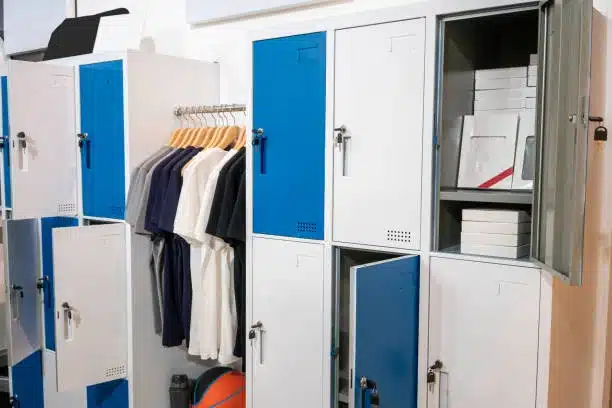
Outdoor adventures usually translate to heavy, wet and strangely shaped equipment. You may be a hiker, a skier, a camper or a kayaker, and regardless of what you do, it is often difficult to maintain your gear clean, dry and accessible. Closet systems of outdoor gear are fortunately made with active lifestyles in mind. These made-to-order storage systems will keep your backpacks, boots and tents in place, and ready when you are.
Challenges of Storing Outdoor Equipment at Home
Standard closets weren’t designed to handle the size, shape, and condition of outdoor gear. From muddy hiking boots to oddly shaped tents, traditional storage solutions can quickly get overwhelmed.
Bulky Shapes, Dirty Gear, and Seasonal Usage
Outdoor equipment is typically oversized and usually comes back home wet or dirty. Backpacks, snowshoes and ropes do not store well in your average shelf or drawer. Throw in seasonal use—things like snow gear in winter and wetsuits in the summer—and it’s obvious that outdoor storage needs to be able to adapt and be rugged.
Why Traditional Closets Fall Short for Outdoor Items
Most closets lack the ventilation and the support for heavy gear that heavy duty gear requires. Hanging things like trekking poles or climbing harnesses is always a challenge, and without good ventilation, mold and mildew can grow very quickly. That’s why built-in outdoor gear closets make a huge difference.
Custom Storage Compartments for Adventure Equipment

Compartmentalization is important in order to organize your gear collection of outdoor items. Custom closet systems provide every item with its own space- your home will be organized and your equipment will be in the best condition.
Adjustable Shelving for Boots, Helmets, and Ropes
Adjustable heavy-duty shelving enables you to place gear of diverse size, such as bulky climbing helmets, and coiled ropes. These shelves can be made rigid to hold weight and they are easily moved as your gear collection grows. Muddy outings are no problem with waterproof materials.
Hooks, Hangers, and Cubbies for Quick Access
Hooks and gear hangers mounted on the walls and cubby holes can be used to utilize the vertical space as much as possible as well as keep the items that are frequently used within reach. Hydration pack or headlamp hanging compartments will also keep your stuff dry and organized between outings.
Ventilation and Drying Zones Built into Closet Systems
Outdoor gear often comes back damp—or downright soaked. Without proper ventilation, closets can trap moisture, leading to mold and foul odors. That’s why airflow is a must-have in any gear storage system.
Preventing Mildew in Damp Gear
Mildew develops fast in closed and damp areas. By constructing ventilated drying spaces in your closet system, wet boots, packs and jackets can be aired without danger of causing mold. This will not only keep off smells but it will also prolong the life of your equipment.
Integrated Airflow Systems and Drainage Trays
Outdoor gear can have advanced closet systems that can have passive airflow grilles, louvered doors, or even specific compartments with small fans or dehumidifiers. Boot mats or drainage trays are a perfect place to collect moisture under wet items. Such intelligent additions keep your closet updated and useful throughout the year. Make an appointment with us today!
Modular Closet Designs for Multi-Sport Households
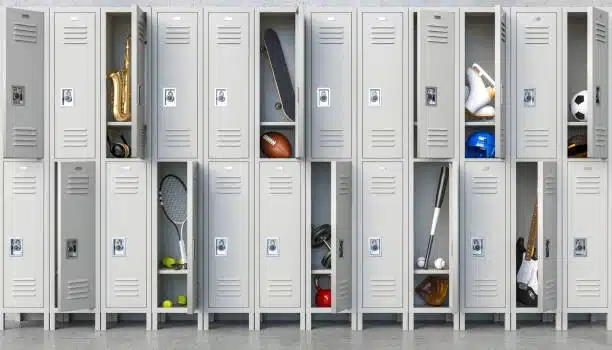
If your home includes skiers, climbers, hikers, and bikers, you need a closet system that works for everyone’s gear. A modular approach offers the flexibility you need.
Configurable Storage for Hiking, Climbing, Kayaking, and More
The modular closet systems have interchangeable parts, such as racks, shelves, and bins, which are adjustable to various sports. Paddle hanging, helmet stacking, and sleeping bags rolling in one smooth process. The system adapts to you as your interests, or gear, change.
Seasonal Swap Zones for Winter vs Summer Gear
In-built seasonal swap zones enable you to change gear depending on the season. Off-season stuff can be stored in deep cubbies or overhead bins, such as snow gear in summer or tents in winter. Not only does this make things neat but it makes sure that you have your current gear right at the front.
As we serve Washington D.C., Maryland, Virginia and West Virginia, you can find our showrooms in the following locations:
Frequently Asked Questions
1. How can I prevent my outdoor gear from getting musty in the closet?
To avoid mustiness, make sure that your custom closet has ventilations like built in airflow panels or vents. Wash and dry equipment completely before putting in storage and also use moisture absorbers such as silica gel or charcoal packs. Use materials such as treated wood or coated metal which are resistant to molds and mildew. Always inspect equipment to see whether it is wet, particularly when used under rain or snow.
2. What’s the best way to store hiking boots and tents?
Hiking boots should be stored on slanted or perforated shelves so that they can air out. Tents are to be rolled loosely and put in breathable bins or hanging bags to prevent creasing and mould. Plastic bins are not ventilated and should be avoided in humid regions. Boot and tent areas allow storage of gear and prolong its use.
3. Can I build a closet system in the garage for my outdoor gear?
Absolutely, one of the best places to have an outdoor gear closet is in a garage, and it is especially good when it is difficult to find space inside. Moisture-resistant and heavy-duty materials can be used to make custom closet systems that are appropriate in the garage. Simply make sure you include lockable and secure storage to protect it and keep it climate controlled. Installation of airflow or a slight fan system aids in drying of gears and in odor control.
4. Do custom closets offer ventilation for wet gear?
Most custom closet firms will provide ventilation options such as slatted shelving, air vents or even drying racks. These help to avoid mold or other bad odors on wet equipment. You may also order compartments that fit portable dehumidifiers or boot dryers. Items that are used in water sports, snow or rain are particularly assisted by proper airflow.
5. How do I organize equipment for multiple sports efficiently?
Dedicating areas of each sport, e.g. having individual cubbies, drawers or hanging areas helps to easily grab what you need, fast. There should be labeled bins and adjustable shelving to fit gear of all sizes. Add seasonal swap areas to swap in winter or summer gear as necessary. Modular closets can be changed with the changing of your sports and hobbies.
Whether you’re a weekend warrior, a camping enthusiast, or a full-on adventure junkie, having the right closet system for your outdoor gear makes every trip easier. Say goodbye to cluttered corners and musty equipment—custom closets give each item a proper home with compartments for boots, backpacks, tents, and more. With smart airflow to fight mildew, built-in drying zones, and modular setups that adapt with the seasons, you’ll spend less time digging through piles and more time doing what you love outdoors. It’s organization that supports your lifestyle—not the other way around.
Ready to build a custom gear closet that works as hard as you do? Book a consultation with Closet & Beyond today and turn your storage area into a rugged, well-organized retreat built for every kind of adventure.