


Closet design is not all about beauty; it is more about the design that causes less stress and enhances everyday functioning. In neurodivergent people, like those with ADHD or autism, conventional storage systems may pose sensory and executive functioning difficulties. Neurodivergent-friendly closet systems can simplify everyday routines, make them less stressful, and predictable. With some careful design touches, it is possible to turn a simple closet into an assistive, tidy space that is accommodating to the specific needs of the user.
Understanding the Storage Needs of Neurodivergent Individuals
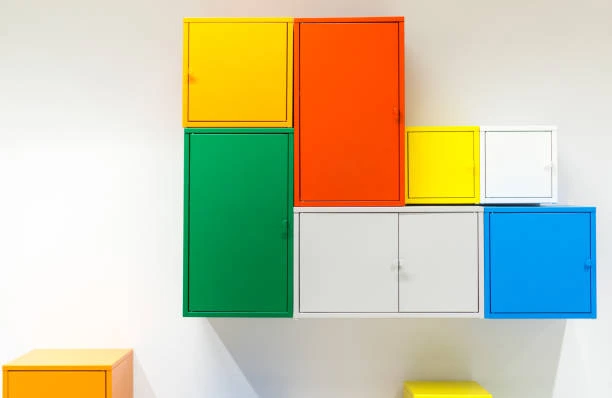
Neurodivergent people tend to perceive the world in a different way, and this implies that their organizational needs are unique. They may all have sensory sensitivities, problems with task planning, and require visual stimulation, which can influence their interactions with storage areas. An ill-planned closet may cause frustration, over stimulation and stress. However, the correct design may produce a setting that promotes concentration, ease, and self-reliance.
Sensory Sensitivity and Closet Organization Challenges
People with sensory sensitivities can be stressed by closets that are noisy, aesthetically busy, or hard to navigate. Discomfort could be caused by banging doors, rugged surfaces, or crowded sight. These stressors can be removed with the help of custom closet systems that include soft-close drawers, smooth finishes, and purposeful organization which reduces chaos.
The Impact of Visual Clutter on Focus and Stress
Visual noise may be distracting and anxiety-provoking to many neurodivergent people. Having too many items on display may be overwhelming and produce decision fatigue. The use of hidden storage, easy to read categories, and simplified closet layouts can make a closet less visually noisy, and cause a feeling of repose. This does not only boost the ability to focus but also helps to lead a more peaceful everyday life.
Design Features That Reduce Sensory Overload

Reducing sensory overload in closet design involves more than just organization—it requires attention to detail in texture, sound, and color. Each element should contribute to a soothing, predictable experience that helps rather than hinders.
Use of Soft-Close Drawers and Muted Color Palettes
Loud hardware and blaring, incompatible colors may be overstimulating. The drawers and the doors are soft-close to avoid any loud noises, and the muted colors such as beige, gray, and soft pastels promote a relaxing environment. Matte surfaces can eliminate glare, and the room will be less intense and soft to the eye.
Clear Categorization With Labels and Visual Cues
Most neurodivergent people are creatures of habit and routine. Color coded labels, transparent bins and clear signs can help to determine where things go. Such visual aids lower the cognitive burden of sorting and accessing items and makes the closet a place free of stress. Make an appointment with us today!
Flexible Closet Cabinets to Support Routine and Predictability
Routines can change over time, especially for individuals managing executive functioning challenges. A flexible closet system that adapts to evolving needs provides both consistency and convenience, without requiring constant redesign.
Modular Designs That Adapt to Changing Routines
Modular closet systems offer adjustable shelves, pull out drawers, and interchangeable parts. This versatility makes it possible to adjust the closet when demands change, be it in a change of seasons, in life stages, or in changing habits. Modular closets are a perfect solution to a neurodivergent-friendly environment as they can be altered without being taken down to the foundation.
Dedicated Zones for Daily Use Items
Stress is important to be reduced by predictability. Specific areas to keep daily necessities, including work attire or more commonly used accessories, make it easier to make decisions and not feel overwhelmed. Storing them at eye level and within reach will make them more independent and will make mornings go smoothly.
Finding Closet Companies With Neurodiversity-Inclusive Design

Not every closet company understands the unique considerations of neurodivergent individuals. Choosing a provider with experience in accessibility and sensory-sensitive design ensures the final result truly supports the user’s needs.
Questions to Ask About Experience With Neurodivergent Clients
Before hiring a closet designer, ask these important questions:
Have you worked on projects for neurodivergent individuals before?
Do you incorporate features like soft-close drawers and visual categorization tools?
Can your designs include modular elements for flexibility?
How do you approach reducing sensory overload in your layouts?
These questions help identify companies that prioritize inclusivity and functionality.
Importance of Empathetic Consultation Processes
A good closet company is one that goes out of the way to get to know the sensory and organizational needs of the user. Consultations based on empathy include listening to the needs, inquiring about the sensory triggers, and proposing the solutions that should be comfortable and practical. Such a tailored design will make sure that the end product is actually supportive to the user.
As we serve Washington D.C., Maryland, Virginia and West Virginia, you can find our showrooms in the following locations:
Frequently Asked Questions
1. What makes a closet system neurodivergent-friendly?
A neurodivergent-friendly closet contains aspects that do not cause sensory overload and improve organization. Design features include soft-close drawers, subdued colors and modular designs. Labeling and clear bins give a form and predictability. All these features make a restful supportive storage solution.
2. Are there closet designs that reduce sensory overload?
Yes, the sensory-sensitive closet designs have muted color scheme, smooth surface and hardware that reduces noise. Storage that is concealed can reduce clutter to the eye and lighting options can avoid glare. All the details are selected to make a peaceful, neat environment. These designs assist in decreasing stress and enhancing everyday comfort.
3. Can closet systems help with executive functioning difficulties?
Absolutely. Clear labeling, categorized zones and open shelving closet systems can make decision-making easier. Modular layouts can be easily rearranged when there is a change in routine. These characteristics diminish mental load and thus, it is easy to organize and retrieve. As a result, you get a more efficient and stress-free daily routine.
4. Do closet companies offer solutions for children with ADHD or autism?
Absolutely. Clear labeling, categorized zones and open shelving closet systems can make decision-making easier. Modular layouts can be easily rearranged when there is a change in routine. These characteristics diminish mental load and thus, it is easy to organize and retrieve. As a result, you get a more efficient and stress-free daily routine.
5. How can I make an existing closet more supportive for neurodivergent use?
Begin by minimizing visual clutter by closed storage, or labeled bins. Install soft-close hinges to reduce the noise and repaint in calming, dull colors. Include visual aids such as labels and color coding in order to enhance organization. The space can be made more predictable and calming even with small changes.
Closet design can have a profound impact on daily life, especially for neurodivergent individuals. By reducing sensory overload, creating predictable layouts, and incorporating flexible features, closet systems can become powerful tools for independence and well-being. Thoughtful design transforms storage from a source of stress into a supportive, organized environment.
Ready to create a neurodivergent-friendly closet? Book a consultation with Closet & Beyond today and design a system that promotes comfort, clarity, and peace of mind!