

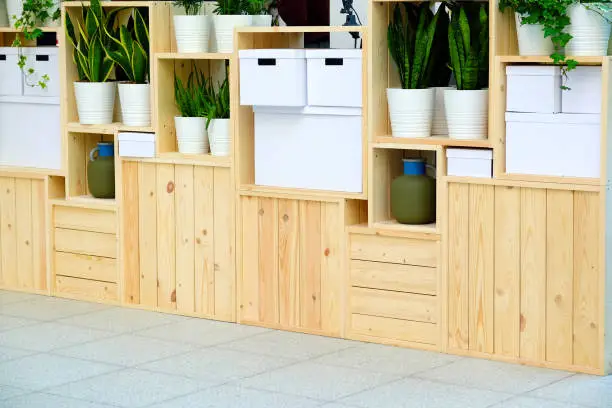
The indoor gardening has become one of the most gratifying hobbies of both city dwellers and suburban homeowners. Storing your herbs, no matter whether you grow them on a windowsill or on a wall of tropical plants, is one of the issues that every indoor gardener encounters. So where do you store those additional pots, bags of soil, watering cans, tools and gloves?
Custom closet system can be the game changer. Rather than having piled corners or improvised storage bins, you will have a purpose-built solution that will keep your gardening equipment in order, safe and readily available.
In this article, we are going to discuss how the custom closet system of Closet & Beyond can be customized to meet the individual requirements of indoor gardeners- without compromising on style or space.
Custom Closet Systems That Organize Indoor Gardening Equipment

When you imagine gardening, you can imagine foliage and sunlight. However, in the background, it requires a lot of gear. Trowels to terracotta pots, gardening inside your house can only be gardening with clutter. Our made-to-measure closets help you turn your work area into a relaxing environment as well as your houseplants.
Storing Pots, Planters, Soil Bags, and Watering Cans Efficiently
Planters and pots, particularly ceramic or clay planters, are heavy and delicate. Placing them in cardboard boxes or in corners is dangerous as there is risk of damage to them- and it is untidy. Custom closets offer adjustable solid shelving that will fit your planters to the exact size.
Bulky soil bags and compost should fit in lower shelves or pull-out trays which are accessible and do not strain your back. In the meantime, watering cans, misters, and spray bottles will have the advantage of having upright storage on wide, shallow shelves that would not tip over and spill. When you have this type of layout, your gardening necessities are within reach and not on the floor.
Using Drawers and Vertical Racks for Gardening Gloves, Tools, and Accessories
In the case of smaller items such as gloves, pruners, or hand shovels having custom drawers can make the world of difference. These drawers can also be constructed so that they have dividers to organize the tools by use or size so that when it is time to get dirty, you can easily reach the tool you need. Gloves, hanging shears or garden twine can be stored on pegboards or vertical racks placed inside the closet, so that you can see each item clearly. You may even have a drawer where you can put away seed packets, labels and plant tags so they do not get lost in the shuffle.
Closet Cabinet Systems for Urban Gardeners and Plant Enthusiasts
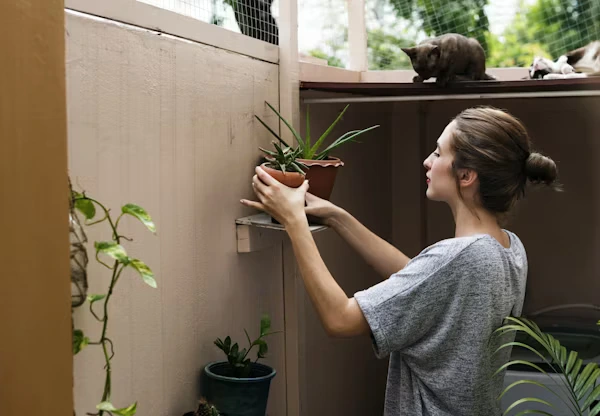
In dense urban spaces where outdoor gardening is limited, closets can double as indoor garden centers. The key is designing them with the unique needs of plant enthusiasts in mind.
Built-In Compartments for Seeds, Fertilizers, and Propagation Kits
Instead of tucking seed packets into junk drawers or stuffing fertilizer boxes into a built-in cabinet under the sink, a custom garden closet can give each item its own home. Shallow drawers are great for organizing seeds by type or season, while closed cabinets can store fertilizers and plant food away from pets and children. Propagation kits, which often include delicate containers or glass tubes, can sit safely in pull-out trays or compartments lined with non-slip material. When everything has a designated place, you’ll spend less time searching and more time planting.
Humidity-Safe Materials and Lighting Considerations for Gardening Supply Closets
Moisture is part of gardening—but it’s not great for wood shelves and fabric bins. That’s why materials matter. Closet systems built for indoor gardening use moisture-resistant laminates, powder-coated metal, and sealed MDF to stand up to humidity. This not only preserves the integrity of the closet system but protects your tools and supplies from mold and rust. Lighting also plays an important role.
Integrated LED lighting provides visibility without generating too much heat, and if you’re growing seedlings or light-hungry plants nearby, wiring for grow lights can be discreetly built into your closet design. Get an instant quote now!
Closet Organizer Companies Near Me That Build Garden-Friendly Storage

If you’re serious about turning your storage into a gardener’s dream, it pays to work with a local closet company that understands hobby-specific needs. You don’t need to compromise on aesthetics or settle for generic solutions.
Finding Local Pros Who Design Closets for Hobbyist and Indoor Gardeners
When researching closet companies, look for those that offer fully customizable systems—not just plug-and-play options. Local professionals are more likely to consider climate and environmental factors, and they can tailor solutions to fit even the smallest spaces in condos or apartments. Companies like Closet & Beyond specialize in lifestyle-based designs. That means your closet isn’t just a place to store things—it’s a space that supports your day-to-day gardening habits.
Questions to Ask About Ventilation, Moisture Resistance, and Layout
Before you settle on a design, ask your closet company a few key questions. First, inquire about how they manage ventilation and whether they can build airflow into enclosed cabinets. This helps prevent mildew or odors from soil and compost.
Next, discuss materials. Do they offer waterproof or rust-resistant finishes? Finally, ask how the layout will accommodate your specific tools and supplies. A good designer should ask you about the size of your pots, the types of plants you grow, and even your watering routine. These details help them create a layout that fits seamlessly into your gardening lifestyle.
As we serve Washington D.C., Maryland, Virginia and West Virginia, you can find our showrooms in the following locations:
Design Tips for Closets That Support Year-Round Gardening Indoors
Gardening doesn’t stop when the seasons change—especially indoors. Your storage should be able to adapt with your growing cycle, whether you’re starting seedlings in spring or tending to tropicals in the winter.
Combining Visible and Hidden Storage for Aesthetics and Function
Striking the right balance between form and function is key. Open shelving allows for easy access to tools and supplies you use frequently, while closed cabinets can hide messier items like soil bags or fertilizer containers. Glass cabinet fronts can showcase decorative watering cans or propagation jars, adding a visual focal point. Meanwhile, pull-out baskets and bins tucked behind cabinet doors keep unsightly clutter at bay. By blending visible and hidden storage, you get a space that’s both beautiful and practical.
Labeling and Organizing by Season or Plant Type
One of the most overlooked but effective ways to stay organized is labeling. Grouping items by season—such as spring planting supplies or fall pruning tools—makes it easier to rotate your materials as needed. You can also organize by plant type: herbs, succulents, houseplants, or edibles. Add chalkboard labels to bins or hang a small whiteboard on the inside of your closet door to track watering schedules or propagation progress. These small touches go a long way toward keeping your garden—and your workflow—efficient and stress-free.
Frequently Asked Questions (FAQs)
1. Can I store gardening supplies in a custom closet system?
Yes, a custom closet system is perfect for organizing gardening supplies. With the right layout, you can store everything from bulky pots to delicate seed packets. Custom shelves and drawers make it easy to access what you need quickly. It also keeps your space looking neat and clutter-free.
2. What materials are best for moisture-prone storage?
Moisture-resistant laminates and powder-coated metals work well in humid environments. These materials prevent warping, rust, and mold, keeping your tools and supplies safe. Avoid untreated wood or particleboard, which can degrade over time. A professional closet company will help you choose the best finishes for your needs.
3. Are there local closet companies that understand indoor gardening needs?
Yes, many closet companies offer custom solutions for hobbyists like indoor gardeners. These professionals consider things like humidity, tool storage, and layout. Companies such as Closet & Beyond even offer personalized consultations. This ensures your system is built around your unique gardening habits.
4. How can I organize messy garden tools neatly?
Start by grouping tools by type and purpose. Use drawer dividers, vertical racks, and hooks to keep everything in place. Label compartments or bins to avoid confusion and save time. A custom setup makes it easier to stay tidy and efficient.
5. Is it safe to store soil and fertilizers indoors?
It is safe if you store them correctly. Keep soil in sealed containers and place fertilizers in a cool, dry, and ventilated cabinet. Make sure both are stored away from pets and children. Proper containment prevents spills, odors, and contamination.
An indoor garden brings beauty, calm, and life into your home—but the supplies behind it can quickly become chaotic. With a custom closet system designed specifically for gardeners, you’ll finally have a place for everything. No more digging through drawers for seed packets or struggling to find your pruning shears under a pile of gloves.
Closet & Beyond is here to help you create a space that supports your green thumb. Whether you need a small utility closet makeover or a full gardening station, our team of designers can bring your vision to life—with form, function, and a whole lot of greenery.
Ready to organize your passion? Contact us today for a free consultation and let’s grow something great together!