

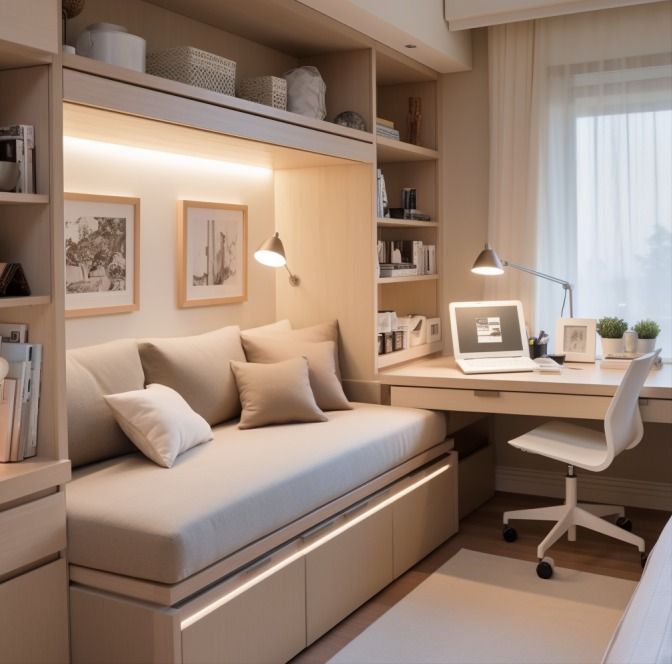
Guest rooms are often one of the least-used spaces in a home. Many remain empty for most of the year while taking up valuable square footage. In modern homes, spaces often need to support more than one function to stay practical and efficient.
A multi-use guest room helps solve this problem. Instead of using a room only for overnight visitors, homeowners can combine guest accommodations with other daily functions such as a home office, storage area, or hobby space.
In this article, we explore multi-use guest room ideas that improve flexibility, maximize space, and support modern living.
Why Multi-Use Rooms Are Becoming More Common
Modern homes are designed to use space more efficiently. Dedicated single-purpose rooms are becoming less practical, especially in smaller homes.
Making Better Use of Available Space
A guest room may only be used a few times each year. Turning it into a multi-functional room allows homeowners to use the space daily instead of leaving it unused. This approach improves functionality without requiring additional rooms. It also helps maximize the value of existing space.
Supporting Changing Household Needs
Household needs often change over time. A room that starts as a guest space may later need to support work, study, or storage. A flexible layout allows the room to adapt more easily. This helps homeowners avoid major renovations when needs change. Multi-use designs support long-term practicality.
Combining Guest Rooms with Home Offices

One of the most common multi-use setups combines a guest room with a home office. This allows the room to remain productive during the day while still accommodating guests when needed.
Using Murphy Beds to Save Space
Murphy beds are one of the most effective solutions for multi-use rooms. When folded away, they free up floor space for desks, seating, or storage. This allows the room to function fully as an office or workspace during the day. At night, the bed can be lowered when needed for guests.
Creating Separate Work Zones
A structured layout helps separate office functions from guest accommodations. The desk and storage area should remain organized and independent from the sleeping area. This improves focus during work hours while maintaining comfort for guests. Defined zones also reduce visual clutter.
Storage Ideas That Improve Flexibility
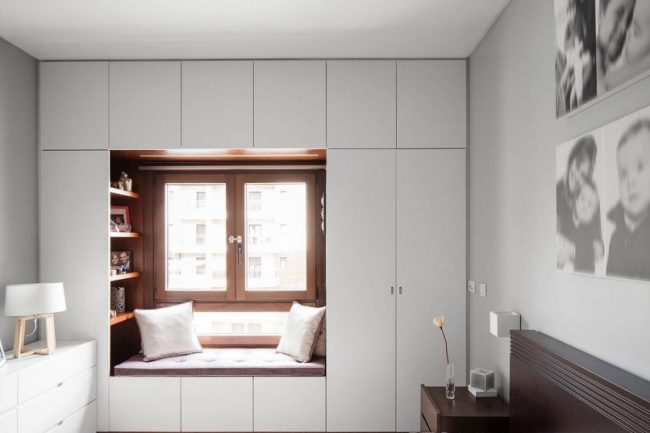
Storage plays an important role in keeping multi-use rooms functional. Without proper organization, the space can quickly become crowded.
Built-In Cabinets and Shelving
Built-in storage helps maximize space while maintaining a clean appearance. Cabinets can store office supplies, guest bedding, or personal items without adding clutter. Shelving provides easy access to frequently used items while keeping the room organized. This combination supports multiple functions without overcrowding the space.
Hidden Storage Solutions
Hidden storage helps maintain a cleaner layout. Storage integrated into beds, benches, or cabinets keeps items out of sight while still accessible. This reduces visual clutter and improves the overall functionality of the room. Hidden storage is especially useful in smaller homes.
Layout Ideas for Different Room Sizes
The layout of a multi-use room should match the available space. Efficient design helps maintain movement and accessibility.
Compact Layouts for Smaller Rooms
In smaller rooms, wall-based furniture helps maximize floor space. Murphy beds, floating shelves, and compact desks create a more open layout. This approach allows the room to remain functional without feeling overcrowded. Vertical storage also helps improve organization.
Larger Flexible Room Layouts
Larger rooms allow for more separation between functions. Seating areas, storage zones, and workspaces can all exist within the same room. A structured layout helps maintain organization while supporting multiple activities. This improves both comfort and usability. Get a free quote!
Design Details That Improve Daily Use

Small design details can make multi-use rooms easier to transition between functions.
Lighting for Multiple Activities
Different tasks require different lighting. Task lighting supports work and reading, while softer lighting creates a more comfortable guest environment. Layered lighting helps the room adapt throughout the day. A balanced lighting setup also improves the atmosphere of the space.
Durable and Space-Efficient Furniture
Furniture in multi-use rooms should support flexibility and daily use. Compact designs and built-in storage help maximize available space. Durable materials also improve long-term functionality. Practical furniture choices make transitions between functions easier.
Multi-Use Guest Room Solutions for DMV Homes
Homes across Washington D.C., Maryland, Virginia, and West Virginia often require flexible room designs. Apartments, townhomes, and smaller homes especially benefit from multi-use spaces.
Closet & Beyond designs custom storage systems and Murphy bed solutions that help maximize functionality in guest rooms. Using personalized 3D design tools, homeowners can visualize layouts before installation.
As we serve Washington D.C., Maryland, Virginia and West Virginia, you can find our showrooms in the following locations:
Conclusion
Multi-use guest rooms help modern homes function more efficiently. By combining sleeping space with storage, work areas, or other functions, homeowners can make better use of available rooms.
Features such as Murphy beds, built-in storage, and structured layouts improve flexibility while reducing clutter. Even smaller spaces can support multiple functions with the right design.
If you are planning to upgrade a guest room, a custom multi-use solution can help create a space that supports both daily living and overnight guests. Book a free consultation now!
Frequently Asked Questions (FAQs)
What is a multi-use guest room?
A multi-use guest room combines guest accommodations with another function such as a home office, storage space, or hobby room.
Are Murphy beds good for guest rooms?
Yes, Murphy beds save space by folding away when not in use. This makes them ideal for multi-functional rooms.
How do I organize a multi-use room?
Dividing the room into zones and using built-in storage helps maintain organization. Keeping functions separate also improves usability.
What furniture works best in multi-use rooms?
Compact furniture, Murphy beds, and built-in storage systems work well because they maximize flexibility and save space.
Can small rooms work as guest rooms and offices?
Yes, small rooms can support both functions with efficient layouts and space-saving furniture. Vertical storage also helps maximize space.