


Choosing the right cabinet hardware may seem like a small detail in a kitchen renovation, but it has a powerful impact on your space’s style, functionality, and comfort. Whether you lean toward the classic simplicity of knobs or the sleek versatility of pulls, each option has unique benefits that can transform the heart of your home.
What Are Knobs?
Knobs remain the favored choice for cabinet hardware since their historically popular design. Round or oval-shaped knobs serve cabinet doors through single screw installation. Compact knobs offer easy installation and exist in various materials which include ceramic, metal and glass. Residential property owners favor knobs because these hardware elements combine traditional aesthetics with refined elegance.
Pros of Door Knobs
The light appearance of knobs creates an unobtrusive statement suitable enough for vintage as well as cottage and farmhouse kitchen interior design. The knobs operate on one screw which allows simple installation and they keep costs low because of their compact size. These knobs are fantastic options for confined spaces since their compact size does not consume excess space.
Cons of Door Knobs
The design of knobs remains challenging for users who possess big hands and persons with limited hand coordination abilities. When using knobs instead of pulls you may need to put in additional effort to open sturdy drawers and difficult cabinet doors because they lack the grip power of pulls. Kitchen appearance suffers when knobs receive improper alignment because they lose their center position thus creating visual distractions.
What Are Pulls?
The hardware items known as pulls feature standard hardware with two or more screws while also being titled as handles or bars. These pieces initially appeared on drawers and now attract homeowners because of their contemporary appearance combined with better grasp. One can find pull hardware in alternative designs and finishing alternatives which range from charcoal black finishes to vintage brass designs.
Cons of Door Pulls
Large drawers and heavy cabinetry with pantry items benefit best from pulls since they provide more leverage when using them. When used correctly installed pulls provide equal pressure distribution to enable an ergonomic finger experience across hands and fingers. Pulls create a contemporary transitional kitchen appearance which provides an instant visual upgrade to the room.
Knobs or Pulls: What Sets Them Apart
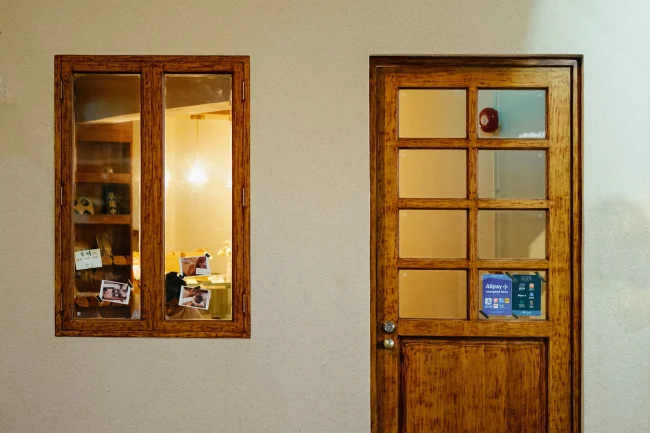
Side-by-side comparison: one half of the photo shows cabinets with knobs, and the other with pulls. It can be a top-down view or a split cabinet hardware wall.
Design and Shape:
Pulls exhibit linear forms that are larger than the round shapes of knobs. The basic form distinction between pulls and knobs leads to different visual effects as pulls stand out more while knobs tend to integrate seamlessly with the furnishings. The selection of knobs becomes suitable when your design adopts traditional or transitional styles. The streamlined style of modern kitchens and industrial spaces looks best with pulls which unite every aspect of the design.
Grip:
Pulls provide better functionality since they offer a more convenient method of use compared to knobs. The expansive surface of pull handles provides a comfortable natural grip that supports easier usage for different demographics who face joint problems and elderly family members and children. The traditional appearance of knobs becomes less practical because their pinch-and-pull functionality becomes difficult to manage in the long run.
Functionality:
Consider your daily activities of cabinet opening and closing. People with busy kitchens should consider pull handles since they provide solid durability together with user-friendly operation. Knobs function best when you need elegant appearance since they excel in upper cabinets and display units rather than mostly functional areas.
Aesthetic Appeal:
The design capacity of these alternatives matches but their visual presentations vary. Knobs serve as finishing touches which complete a design appearance. The visual character of pulls creates a stronger impact by attracting attention and extending or structuring the appearance of cabinets. Combining door knobs with drawer pulls enables audiences to achieve both practicality and artistic effect.
Space:
Home cooks in confined kitchens find large hardware pieces difficult to manage. Knobs occupy minimal room space without causing any obstruction to clothing or aprons when moving throughout the kitchen. Extended drawer pulls need room to operate successfully thus they work best in designs where clearance does not present a challenge. Examine your kitchen space first when making your selection.
Quick Tips for Choosing the Right Cabinet Hardware for Your Kitchen
A designer or homeowner comparing cabinet hardware samples against cabinet finishes—possibly holding them up to see which works.
Consider Your Needs:
Check the following point before choosing a style: Who utilizes this kitchen space? Are your drawers heavy? Do you cook often? Solar systems should be chosen before cabinets if performance and operation reliability are more vital than looks. Locker kitchens that serve primarily for display purposes should let design choices take precedence over all other considerations.
Consult Cabinet Experts:
Your cabinet material and finish can affect how knobs and pulls will look and perform. At Closet & Beyond, our experts help match your cabinets with the ideal hardware that balances form and function. We consider your lifestyle, layout, and personal taste to offer tailored suggestions.
Consider Proper Installation and Maintenance
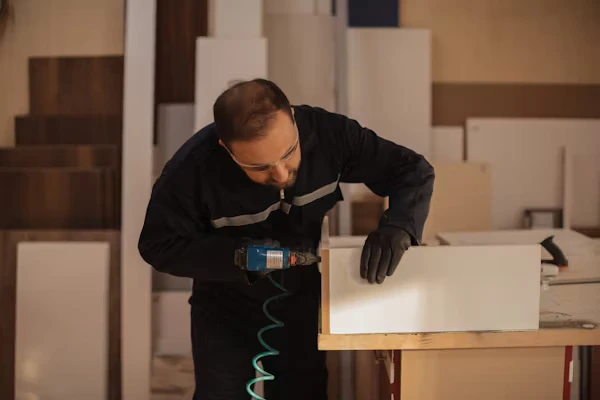
A professional using a level and drill to install cabinet hardware—focus on precision.
Professional Installation:
The installation quality of any cabinet hardware determines its brilliance because a poor installation can reduce the visual effect however fancy the design may be. Unlevel knob placements or crooked handle pulls result in misaligned kitchen symmetry. Seek expertise from professionals to properly place and mount your hardware whenever you mix hardware types in your installation project.
Regular Cleaning and Maintenance:
Cabinet hardware tends to collect oils and crumbs along with moisture in short periods. Regularly wipe hardware with mild cleaners on soft cloths to maintain their new appearance. Use non-abrasive cleaning products since they eliminate finish damage as well as rust formation.
Timely Repairs:
Multiple problems with knobs and handles fitting properly will result in cabinet hardware damage as time passes. Frequent inspection of hardware will reveal loose components while replacement of old screws or anchors maintains structural stability. Regular repairs of minor issues convert into significant maintenance problems.
Knobs or Pulls: We Are Here to Help!
Still unsure whether knobs or pulls are best for your kitchen cabinet hardware? That’s what we’re here for. At Closet & Beyond, we help homeowners find hardware that blends beauty with practicality. Whether you’re updating an old kitchen or designing a brand-new one, our experts are ready to guide you every step of the way.
At Closet & Beyond, we’re just a call or click away from helping you bring your dream kitchen to life!
Frequently Asked Questions (FAQs)
1. Can I mix knobs and pulls in my kitchen?
Absolutely. Mixing knobs and pulls is not only acceptable but also a widely recommended design strategy in modern kitchens. Many interior designers suggest using knobs for cabinet doors and pulls for drawers, as this setup enhances both style and ease of use. This mixed approach allows you to add dimension to your cabinet hardware, giving your kitchen a more customized and curated look while improving overall functionality.
2. Which is more affordable, knobs or pulls?
In general, knobs tend to be more affordable than pulls, making them a budget-friendly choice when selecting cabinet hardware. However, the overall cost can vary based on the material, brand, and finish you choose. Combining new and second-hand cabinet hardware—such as vintage knobs with modern pulls—can help you stay within your budget while still achieving a stylish, high-quality appearance for your cabinetry.
3. Are pulls more modern than knobs?
Yes, pulls often convey a more sleek and contemporary look, especially when paired with flat-panel cabinet doors. Their longer, linear form complements minimalist and modern design aesthetics. That said, knobs remain a timeless choice and can work beautifully in both transitional and contemporary spaces. Ultimately, the modernity of your cabinet hardware depends on the shape, material, and finish you choose for your pulls or knobs.
4. Do pulls need to be installed horizontally or vertically?
The orientation of pulls typically depends on their placement. On drawers, pulls are most often installed horizontally for better grip and alignment, while on cabinet doors, they are usually installed vertically. However, cabinet hardware installation is also guided by personal taste and design goals. Some homeowners prefer a uniform layout with all pulls horizontal or vertical to create a more cohesive appearance. Custom configurations are absolutely possible if they align with your kitchen’s overall style.
5. How do I clean my cabinet hardware?
Proper maintenance of your cabinet hardware helps extend its lifespan and keeps it looking polished. Use a soft, damp cloth combined with a mild soap solution to gently wipe down your knobs and pulls. Avoid abrasive materials like steel wool or harsh chemical cleaners, as these can damage the finish of your cabinet hardware. For specialty finishes like brass or copper, opt for cleaning products specifically designed for those metals to preserve their look and integrity.