

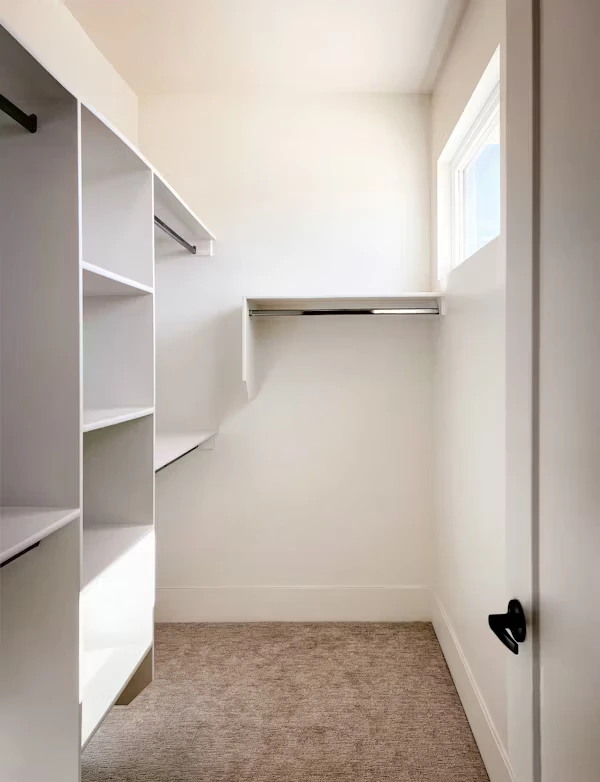
Discover effective closet ventilation solutions for humidity and odor control. Learn how to prevent mold, reduce odors, and improve airflow in custom closet systems.
Closets aren’t only for storing things—they are an important part of your daily life. Whatever you keep in your storage unit, you should always try to maintain it in a clean, fresh and dry condition. If proper ventilation is not considered, custom and walk-in closets can easily start to smell, get humid and develop mold.
In this article, you’ll learn about ways to ventilate your closet and prevent humidity, unpleasant smells and damage to your stored items. If you’re planning a custom closet or considering updating your existing one, you’ll get useful information here.
Why Ventilation Matters in Custom Closet Systems

A fancy closet that doesn’t allow air to move through it is just like a car without air conditioning—it might be nice at first, but it gets uncomfortable over time. Closets are made to be enclosed which means air, moisture and odors get trapped inside. If your closet doesn’t have enough airflow, humidity goes up which can harm your clothes, shoes and accessories as well as the items in your closet.
Most custom closets come with cabinets, drawers and shelves that extend from the floor to the ceiling. Although it uses space efficiently, it hinders the movement of fresh air. For this reason, you need to consider ventilation as soon as you start your design.
Preventing Mold and Mildew in Enclosed Closets
Humidity is the #1 enemy of closets. It causes mold, mildew, and fabric damage—especially in homes where humidity levels regularly exceed 50%. Mold and mildew love dark, stagnant environments, making enclosed closets the perfect target.
Warning signs of mold problems:
A musty or earthy odor
Discoloration on closet walls or cabinetry
Clothes or shoes that feel damp
Persistent allergies or respiratory symptoms when near the closet
Ventilation helps by reducing moisture and allowing fresh air to cycle in and out of your closet space.
Closet Cabinets and Airflow: What You Need to Know
Cabinet-style closet systems offer great organization but can become problematic if airflow is ignored. Solid panel doors, drawers, and tight enclosures restrict air movement. This creates a microclimate that traps moisture from clothing, shoes, and even the air itself.
To combat this:
Avoid sealing off every inch of your closet
Add ventilation openings in upper cabinetry or behind hanging rods
Include vent grilles or gaps in toe-kicks to encourage airflow
Choosing the right materials and incorporating airflow-enhancing features can make a significant difference in the long-term condition of your storage system.
Reducing Odor Buildup in Walk-In Closet Systems
Walk-in closets are luxurious, but they’re still susceptible to odor buildup, especially when they house shoes, gym clothes, or seasonal storage. The enclosed nature of walk-ins can amplify smells if there’s no way for stale air to escape.
Tips to reduce closet odors:
Use cedar blocks, charcoal bags, or odor-absorbing sachets
Install a ventilation fan or louvered door for airflow
Ensure dirty laundry is stored in ventilated bins
Use breathable containers for shoes and accessories
Ventilation isn’t just about mold—it’s also about keeping your closet space fresh and pleasant.
Closet Systems Designed with Ventilation Features
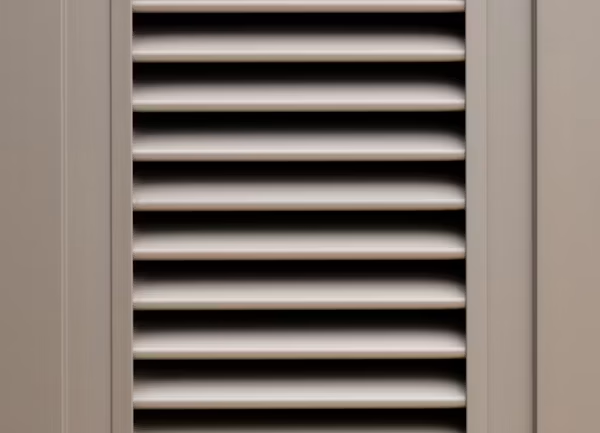
It’s good to know that today’s closet systems can come with ventilation built in. Airflow-friendly choices are available whether you are working with a closet designer or purchasing modular closet kits.
Louvered Doors for Better Airflow
Louvered closet doors are both simple and attractive ways to increase air circulation. With angled slats, these doors allow air to move through them when they are closed. They make use of natural airflow, keep privacy and can be made from wood, MDF or composite materials. Louvered doors match both contemporary and classic styles, so they are a useful and attractive option for any custom closet.
Closet Systems with Integrated Venting Panels
Many custom closet companies provide ventilated cabinets or venting panels that are part of the design. Usually, these panels are put in the back or below the shelving, so air can move freely without changing the closet’s appearance. Most speaker cabinets have decorative mesh panels, perforated metal inserts, slatted wood designs and hidden rear vents. They are most helpful in places where the air is very humid, for example, coastal homes, basements and closets next to bathrooms.
Choosing Breathable Materials for Closet Cabinetry
The materials used in a closet are very important for its ventilation. There are materials that perform better at controlling air and moisture than others. Solid wood is naturally able to breathe and remains very durable. MDF that is finished with breathable materials has a smooth look and allows for some air circulation. Perforated laminates look great on back panels or drawer fronts and rattan or cane inserts provide a fashionable way to allow air to pass through. Talk to your provider about materials that look nice and also work well in your custom closet.
Custom Closet Builders Near Me Offering Ventilated Designs

Before buying a custom closet system, make sure to check if ventilation is included. It’s necessary to choose a professional who knows the value of proper airflow and has worked with ventilation before.
How to Discuss Ventilation Needs with Closet Companies
When speaking with closet builders or designers, here’s how to bring up your concerns about ventilation:
Ask if their designs include airflow solutions
Inquire about moisture-resistant materials
Discuss your home’s humidity level and regional climate
Request examples of previous ventilated installations
A trustworthy provider will explain how they can incorporate venting into your design without compromising functionality or style.
Tips for Designing a Humidity-Resistant Closet System
Planning ahead is the best defense against moisture damage. Use these tips when working with a designer:
Position your closet away from direct water sources if possible
Request dehumidifying materials and finishes
Add ventilation openings in cabinetry
Use vented doors or airflow-friendly accessories
Avoid sealing closets with thick caulking or unbroken paneling
These small details go a long way in preventing long-term damage.
Real Examples of Ventilated Closet Installations
Many homeowners have already seen the benefits of ventilated closet designs. Here are some examples from recent Closet & Beyond installations:
Coastal Maryland walk-in closet: Integrated louvered doors and passive ceiling vents reduced odor buildup in a high-humidity environment.
Modern D.C. townhouse: Perforated metal backing added behind shoe racks to encourage air circulation without impacting visual flow.
Luxury Alexandria condo: Built-in exhaust fan discreetly installed above the wardrobe zone, eliminating moisture from workout clothes.
These success stories demonstrate that good ventilation doesn’t have to sacrifice design—it can enhance it.
Closet Organizer Companies Near Me and Airflow Solutions
Closet organizers go beyond simple storage—they’re part of your everyday routine. That’s why working with local closet pros who understand airflow is so important.
How Closet Pros Improve Air Circulation
Experienced closet pros have a few tricks to improve ventilation without compromising storage space:
Designing gaps between units to let air pass
Using raised bases or open toe-kicks
Avoiding wall-to-wall enclosures in tight spaces
Leveraging ceiling height for airflow layering
They also understand local climate challenges and can customize designs accordingly.
Closet Accessories That Promote Ventilation
Some closet accessories are designed specifically to help manage moisture and airflow:
Shoe racks with open grates
Hanging mesh organizers
Wire shelving for breathable storage
Ventilated laundry hampers
Cedar shelving or drawer liners
These not only improve ventilation but add functionality and longevity to your storage system.
Incorporating Small Fans or Dehumidifiers into Closets
In certain climates or older homes, you may need mechanical help. That’s where small fans or dehumidifiers come in.
Popular in-closet solutions include:
Battery-operated ventilation fans
Wall-mounted mini dehumidifiers
Smart moisture sensors connected to home systems
HVAC-connected vent ducts (for large walk-ins)
Many of these devices are compact and whisper-quiet, perfect for tight closet spaces.
Frequently Asked Questions (FAQs)
1. Do custom closets need ventilation in all climates?
Although some climates don’t require much ventilation, all closets are improved by some airflow. Ventilation in humid or coastal areas helps avoid mold, mildew and musty smells. Airflow in dry places is still useful for keeping clothing at a comfortable temperature. If your closet is well ventilated, your clothes will last longer and the air in your home will be healthier.
2. Can I retrofit ventilation into an existing closet?
It is possible to add ventilation to a closet that already exists by making a few simple updates. Alternatives are to put in louvered doors, include small vent panels or use fans and dehumidifiers that operate on batteries. You can use these solutions to improve the airflow without needing a big renovation. An expert in closets can figure out the best solutions for your home.
3. What causes odor problems in poorly ventilated closets?
Usually, unpleasant odors in closets are caused by moisture, dirty clothes or not enough air moving through. Bacteria and mildew often grow in places that are dark or enclosed if there is no ventilation. As a result, the air in the closet gets musty and the clothes may become damaged. You should clean your house often and make sure there is good airflow to avoid these problems.
4. Are vented closet doors effective?
Vented closet doors help circulate air and still provide privacy. They make it possible for air to circulate which keeps humidity stable and stops smells from developing. Louvered or slatted doors are another way to make the room more interesting. They make a small difference that is easily seen in both the air and the look of your home.
Make sure to consider closet ventilation in your home. In many closets, ventilation is something that is often left out. Although it may not be your top priority, it has a big impact on your clothes, the air in your room and your regular life.
Our team at Closet & Beyond focuses on making custom closets that are attractive and also function well, especially in terms of ventilation. If you want to begin from scratch or improve your current closet, our designers will guide you to a space that both stores and breathes well. Contact us today!